
Arthur Schopenhauer
1788 · 1860
“He thought his way clear to compassion.”
Kept by Here After All · open to visitors
Their story
Arthur Schopenhauer was born in Danzig in 1788 into a merchant family, and came into enough money to think for himself, which he did with unusual independence.
His great work, The World as Will and Representation, held that a restless will drives all of nature, and that clear sight, art and compassion are the truest relief from its striving. For decades almost no one read him.
Recognition arrived only near the end, when the plain-spoken aphorisms of his later years found the wide audience his youth never had. He died in Frankfurt in 1860, admired at last.
A tribute, kept by Here After All.
Standing here now
You are standing at Arthur's plot. Whoever arrives will see you here.
Words spoken here stay only with those standing here. Nothing is recorded.
Remembrances
Where the family and those who loved Arthur gather, post, and return. Visitors may leave a tribute in the family's keeping.
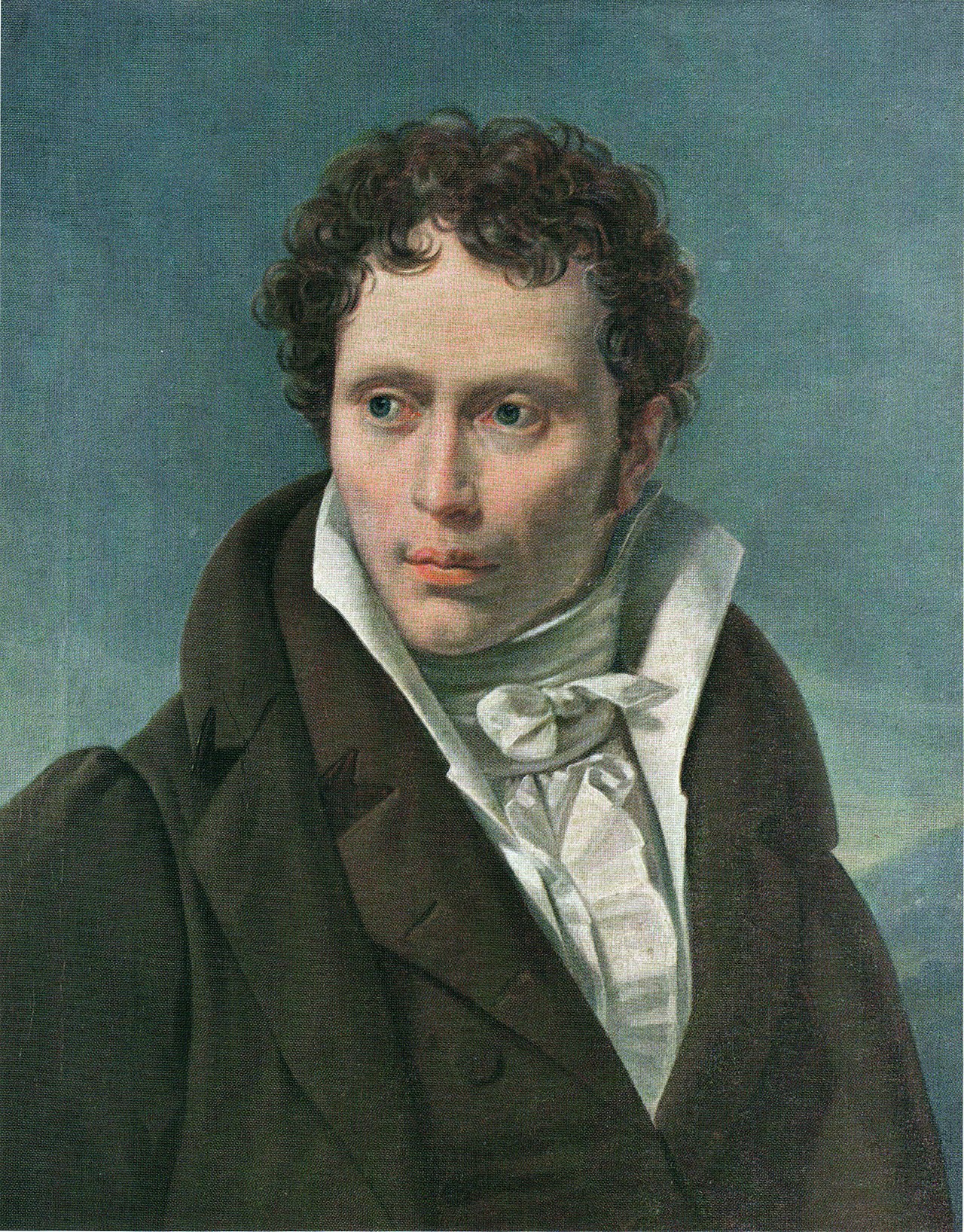
The philosopher as a young man, painted by Ludwig Sigismund Ruhl around 1815, long before the world would read him.
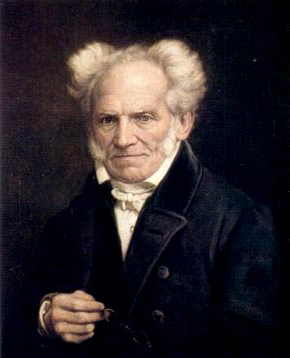
Portrait by Jules Lunteschutz, 1855, from the years when recognition finally arrived.
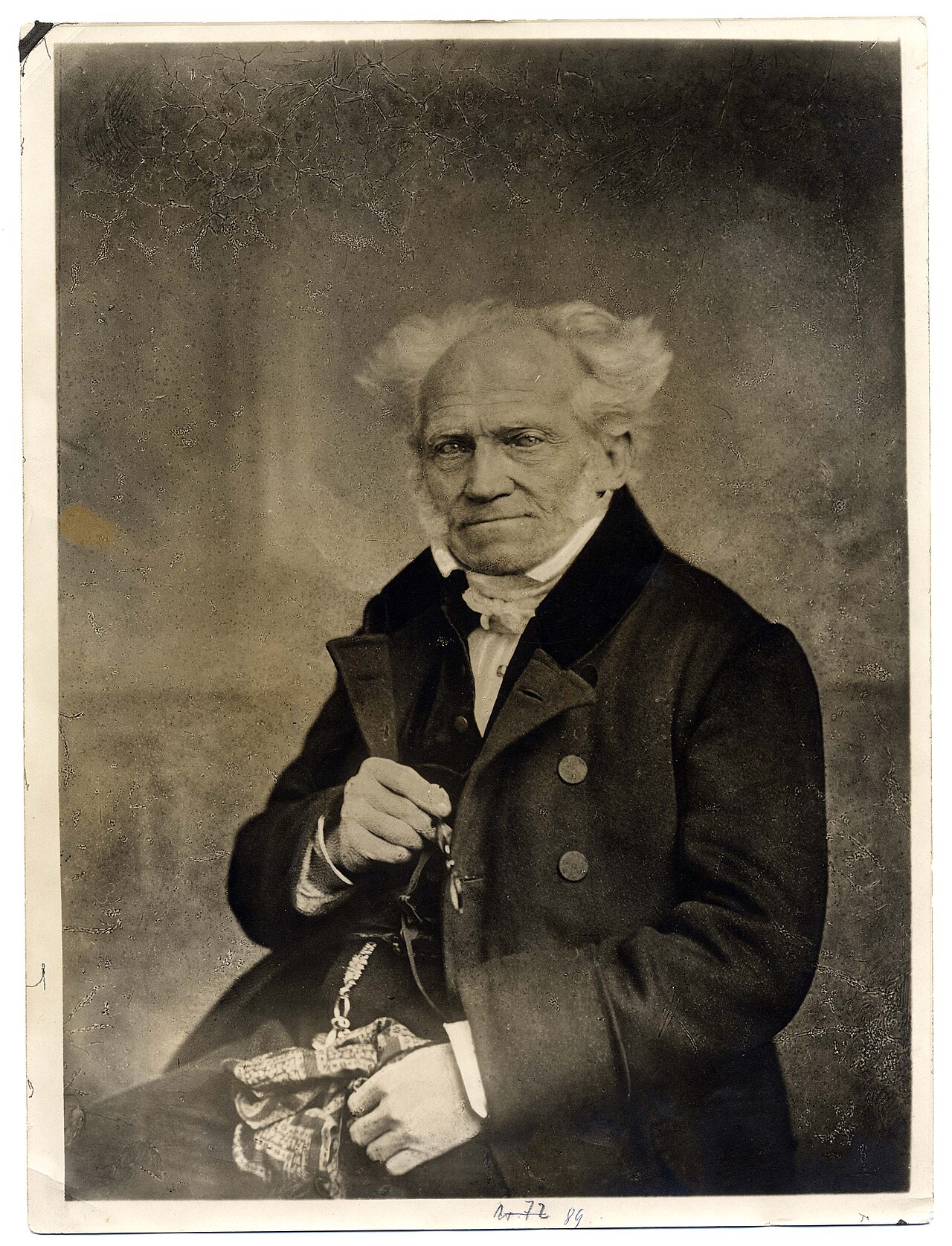
One of the last photographs, taken by Johann Schaefer in March 1859, a year before his death.
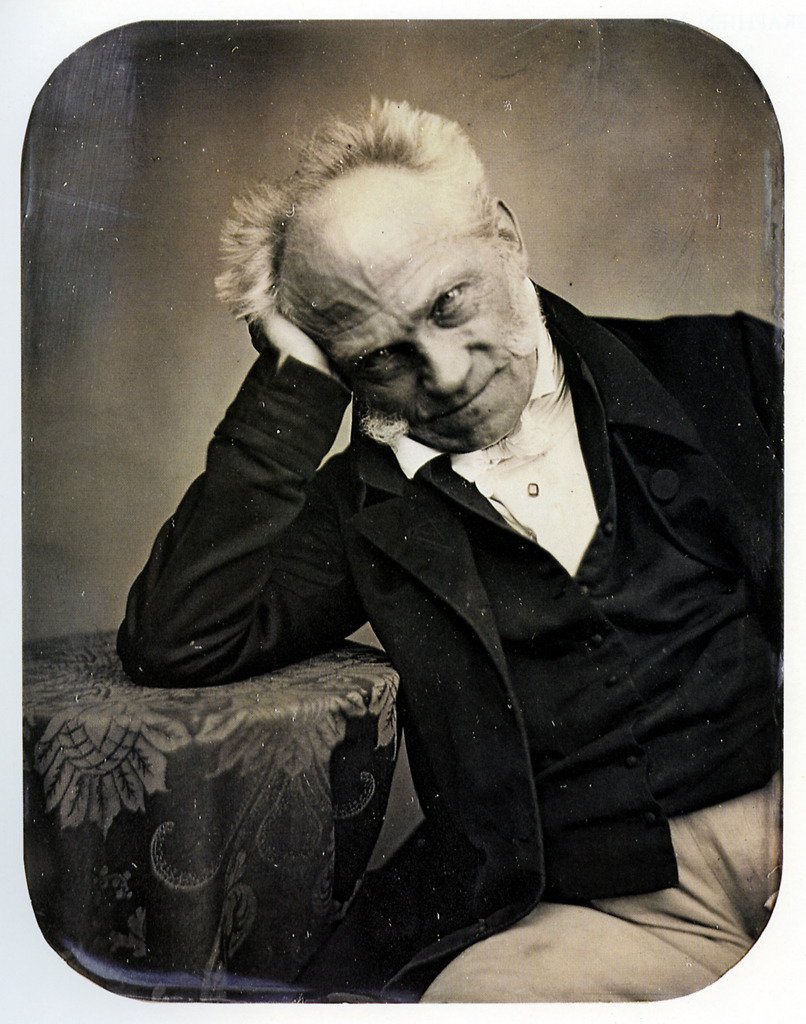
A daguerreotype made in Frankfurt in 1852, in his last decade.
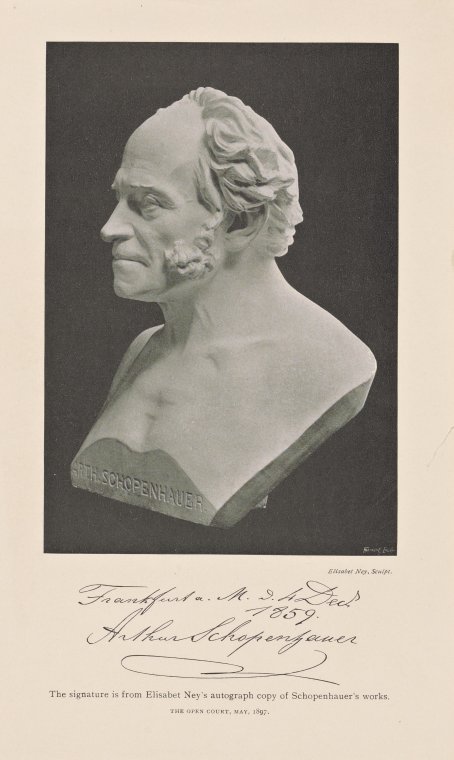
A marble bust modelled from life by Elisabet Ney in 1859, the year before he died.
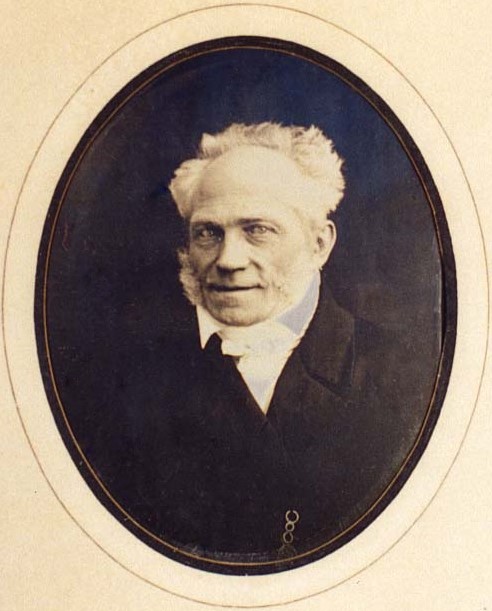
A portrait from 1845, his Frankfurt years.
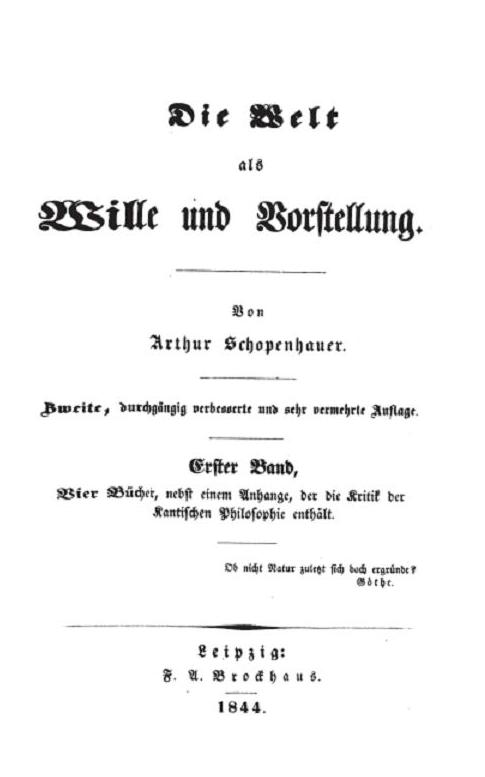
The title page of the second edition of The World as Will and Representation, 1844.
"What a man is contributes much more to his happiness than what he has."
"For the safest way of not being very miserable is not to expect to be very happy."