
Sigmund Freud
1856 · 1939
“He listened for what the mind keeps quiet.”
Kept by Here After All · open to visitors
Their story
Sigmund Freud was born in 1856 in Freiberg, then part of the Austrian Empire, and spent nearly his whole life in Vienna. Trained as a physician, he turned his attention to the parts of the mind we cannot easily see.
He called his method psychoanalysis: listening, patiently and without judgement, to dreams, slips and free association, on the belief that much of what moves us stays hidden even from ourselves.
His ideas were argued over from the day he first published them and are argued over still, which is its own kind of monument. Driven from Vienna by the Nazis in 1938, he died in London the following year.
A tribute, kept by Here After All.
Standing here now
You are standing at Sigmund's plot. Whoever arrives will see you here.
Words spoken here stay only with those standing here. Nothing is recorded.
Remembrances
Where the family and those who loved Sigmund gather, post, and return. Visitors may leave a tribute in the family's keeping.
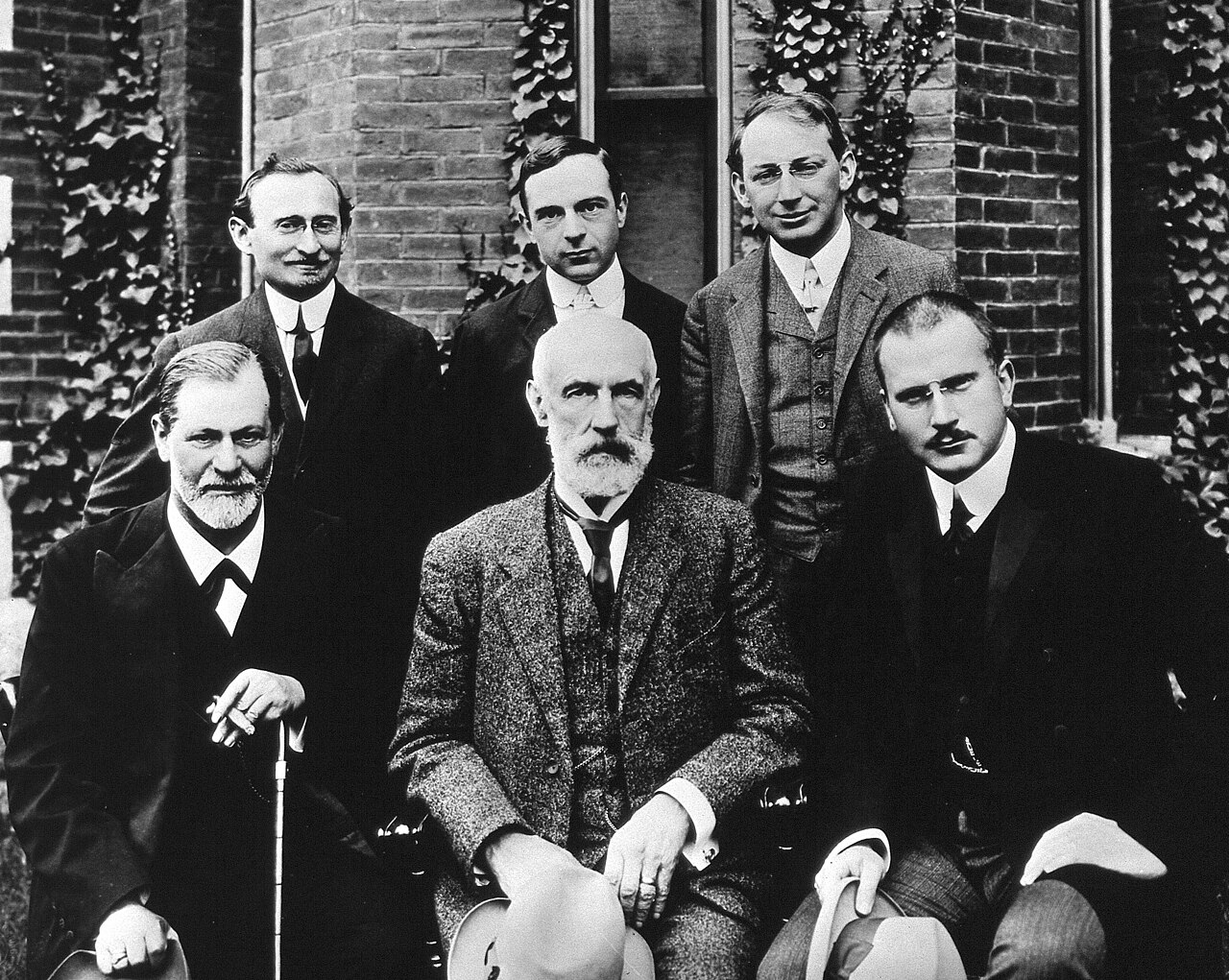
At Clark University, Massachusetts, 1909. Freud seated at left with Stanley Hall and Carl Jung, the young science crossing the Atlantic.
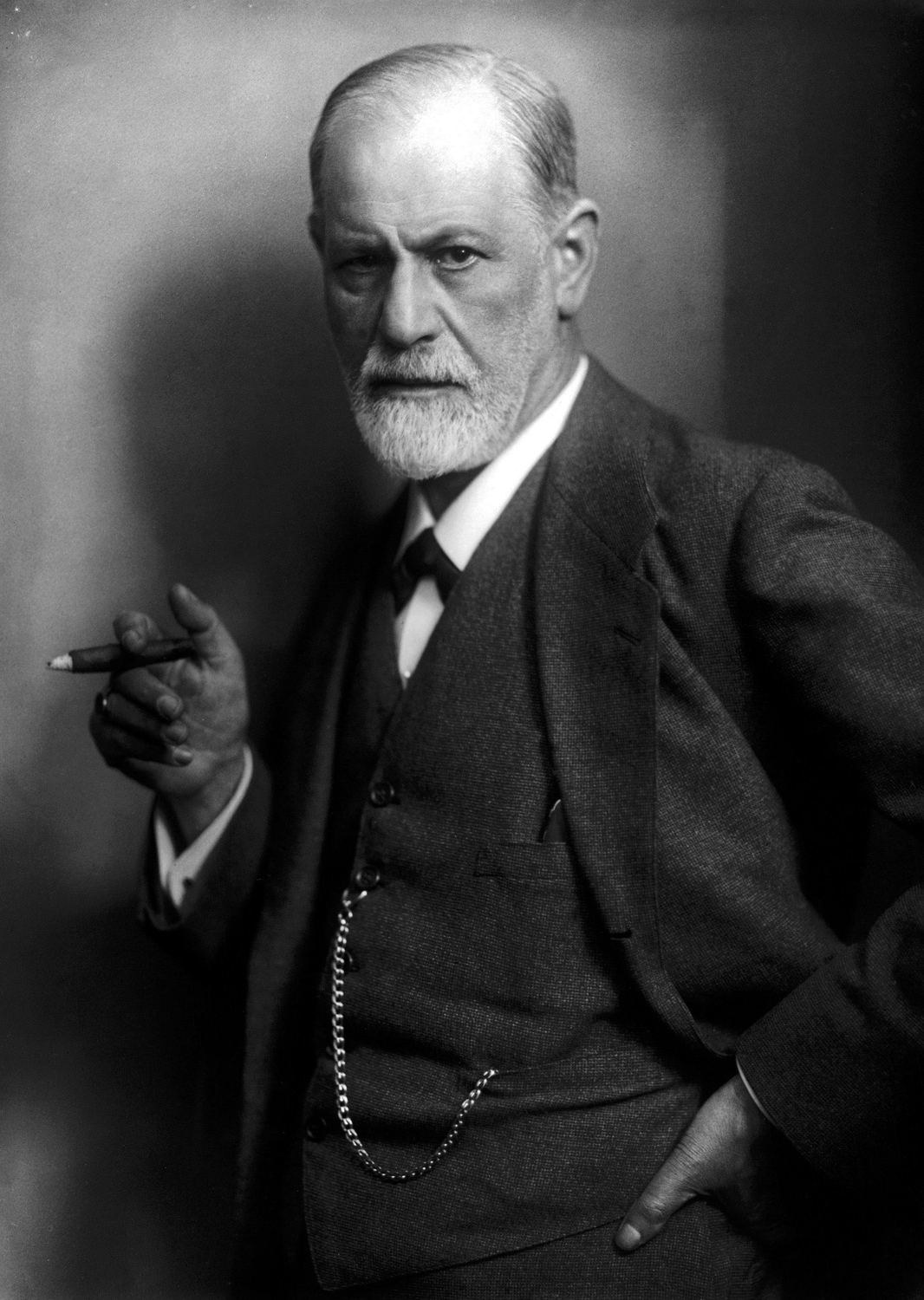
Vienna, about 1921. The familiar cigar, the steady gaze of a man who spent his days listening.
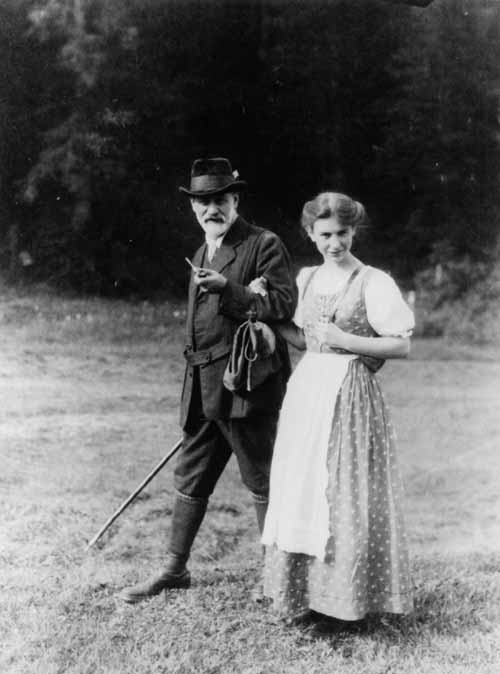
With his daughter Anna in the Dolomites, 1913. She would become the keeper and continuer of his work.
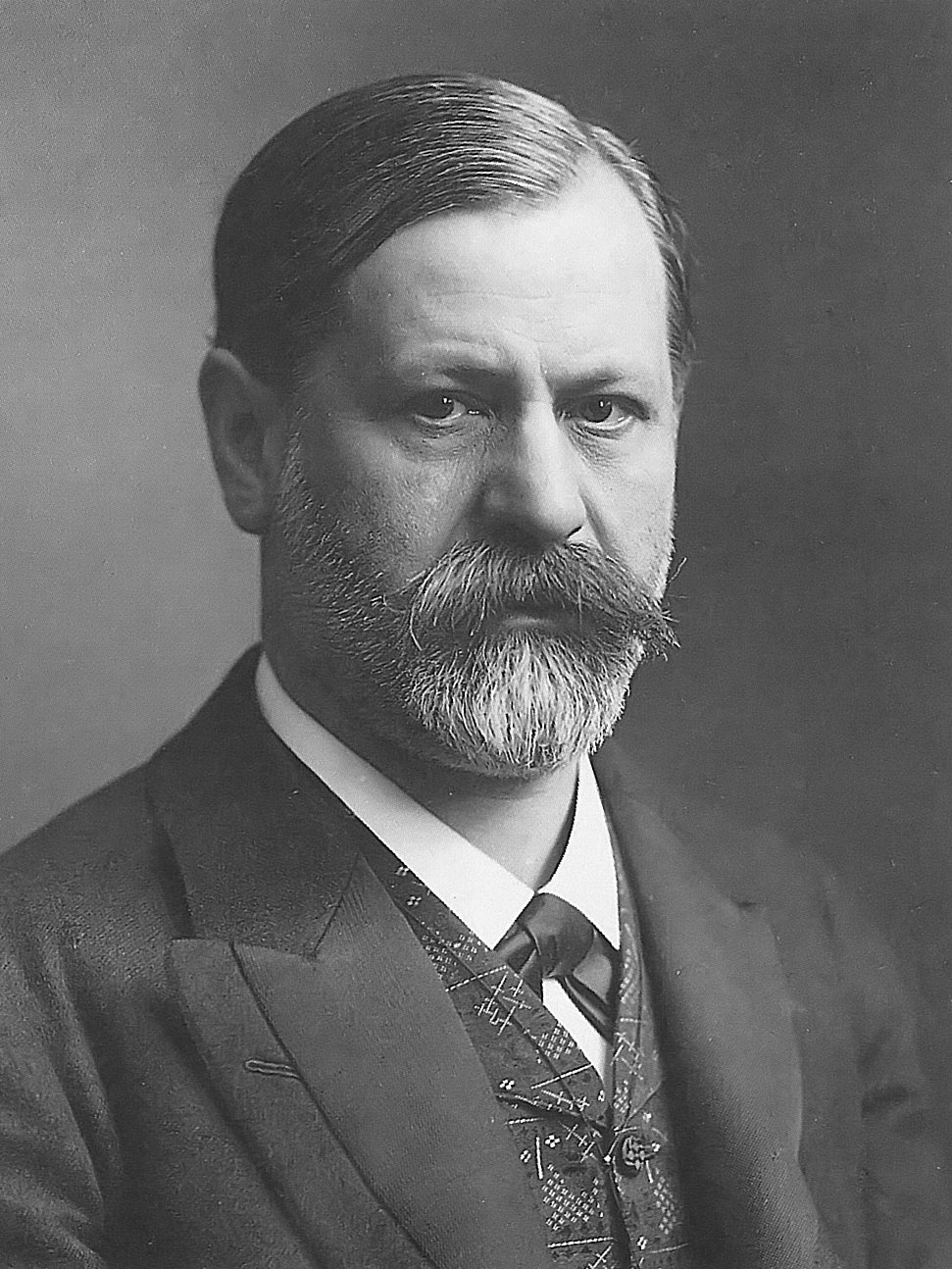
Vienna, about 1905, the years he was building psychoanalysis.
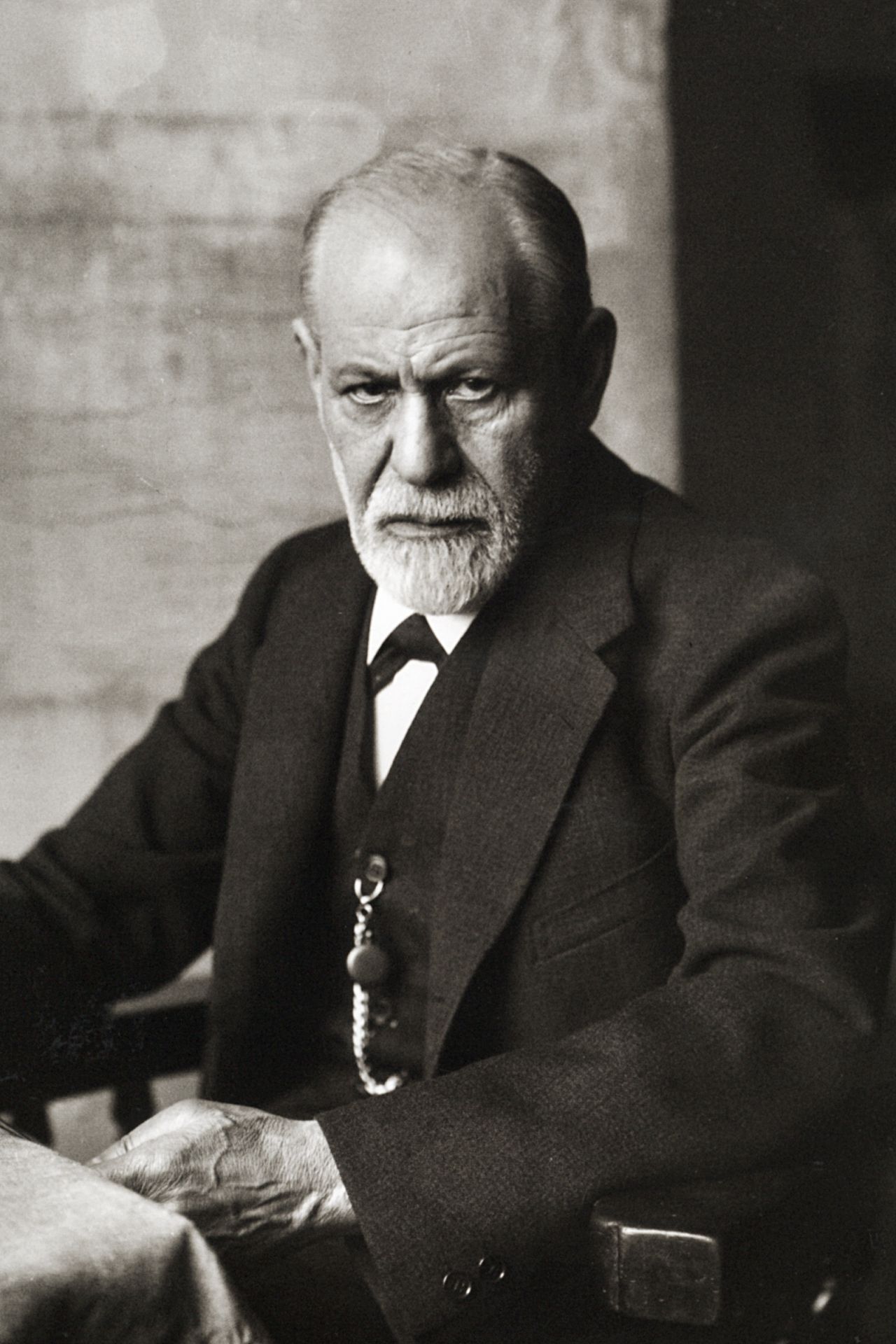
At seventy, 1926.
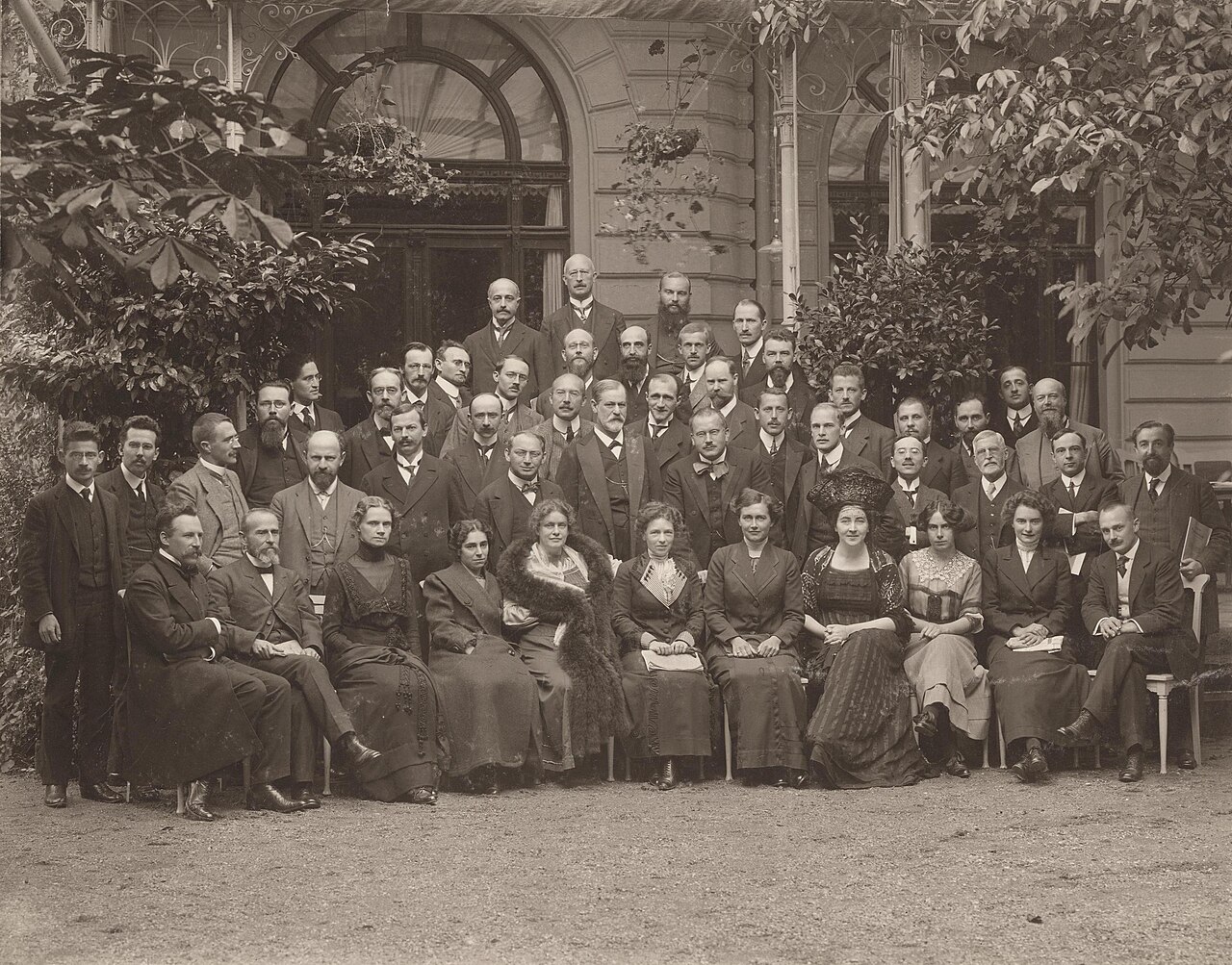
The third international congress of psychoanalysis, Weimar, September 1911, Freud among the gathered analysts.
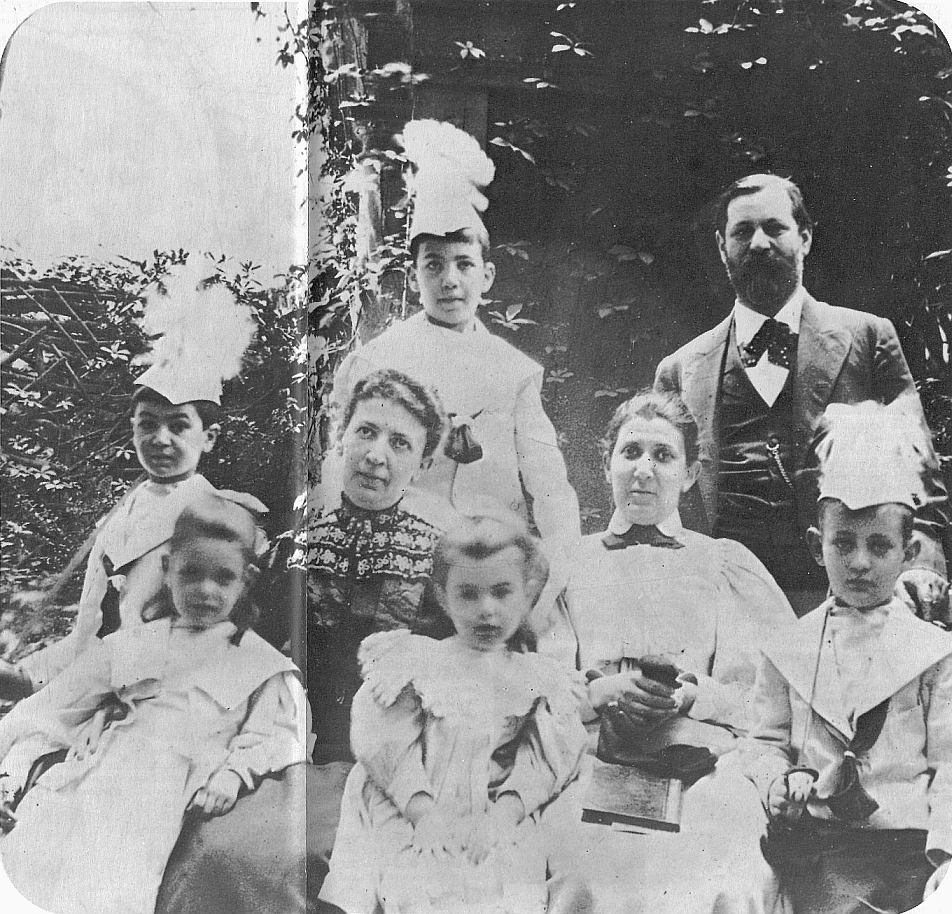
The Freud family, 1898.
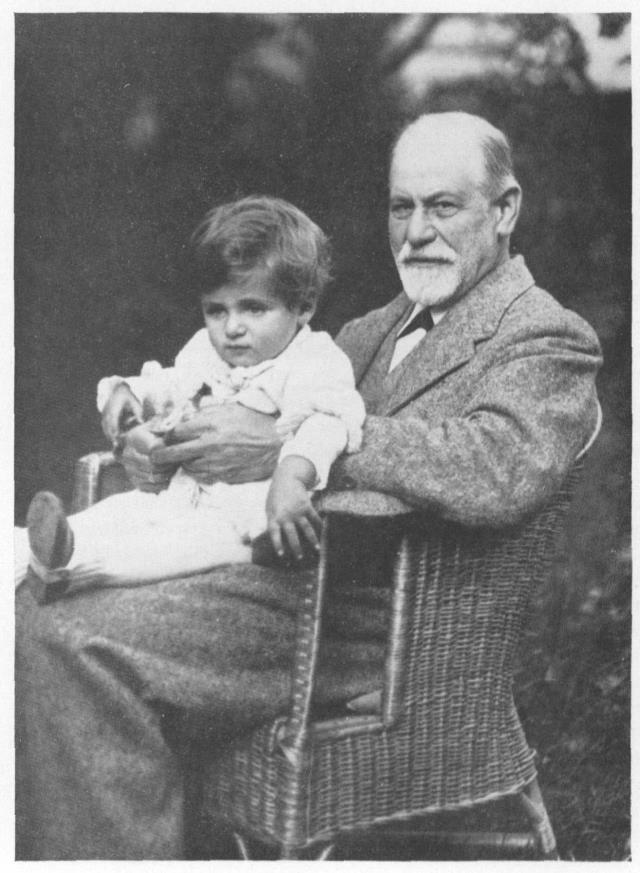
With his grandson Stephan Gabriel, 1922.
"They are concealed realizations of repressed desires."
"They completely satisfy wishes excited during the day which remain unrealized. They are simply and undisguisedly realizations of wishes."