
Vincent van Gogh
1853 · 1890
“He painted the world more alive than he found it.”
Kept by Here After All · open to visitors
Their story
Vincent van Gogh was born in the Dutch village of Groot-Zundert in 1853, the son of a pastor. He came to painting late and without training, and for most of his short working life he sold almost nothing.
In the south of France the light undid him and remade him. In Arles and Saint-Remy he painted wheat fields, orchards, cypresses and the night sky in thick bright strokes, often finishing a whole canvas in a single day.
He wrote hundreds of letters to his brother Theo, who believed in him when no one else would. Vincent died at Auvers-sur-Oise in 1890, thirty-seven years old, with the paint on his last canvases barely dry.
A tribute, kept by Here After All.
Standing here now
You are standing at Vincent's plot. Whoever arrives will see you here.
Words spoken here stay only with those standing here. Nothing is recorded.
Remembrances
Where the family and those who loved Vincent gather, post, and return. Visitors may leave a tribute in the family's keeping.
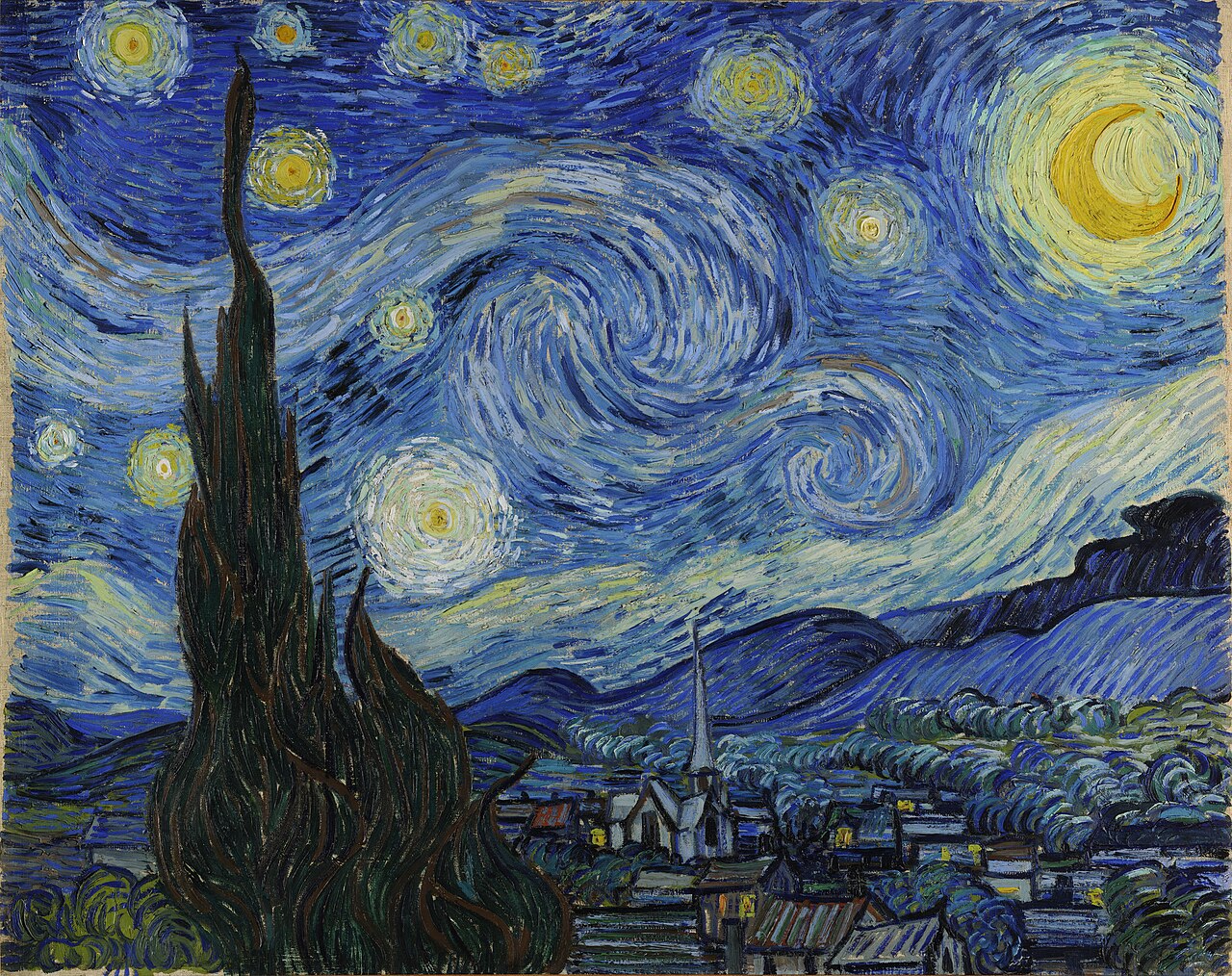
The Starry Night, painted at Saint-Remy in 1889. The village sleeps while the whole sky turns.
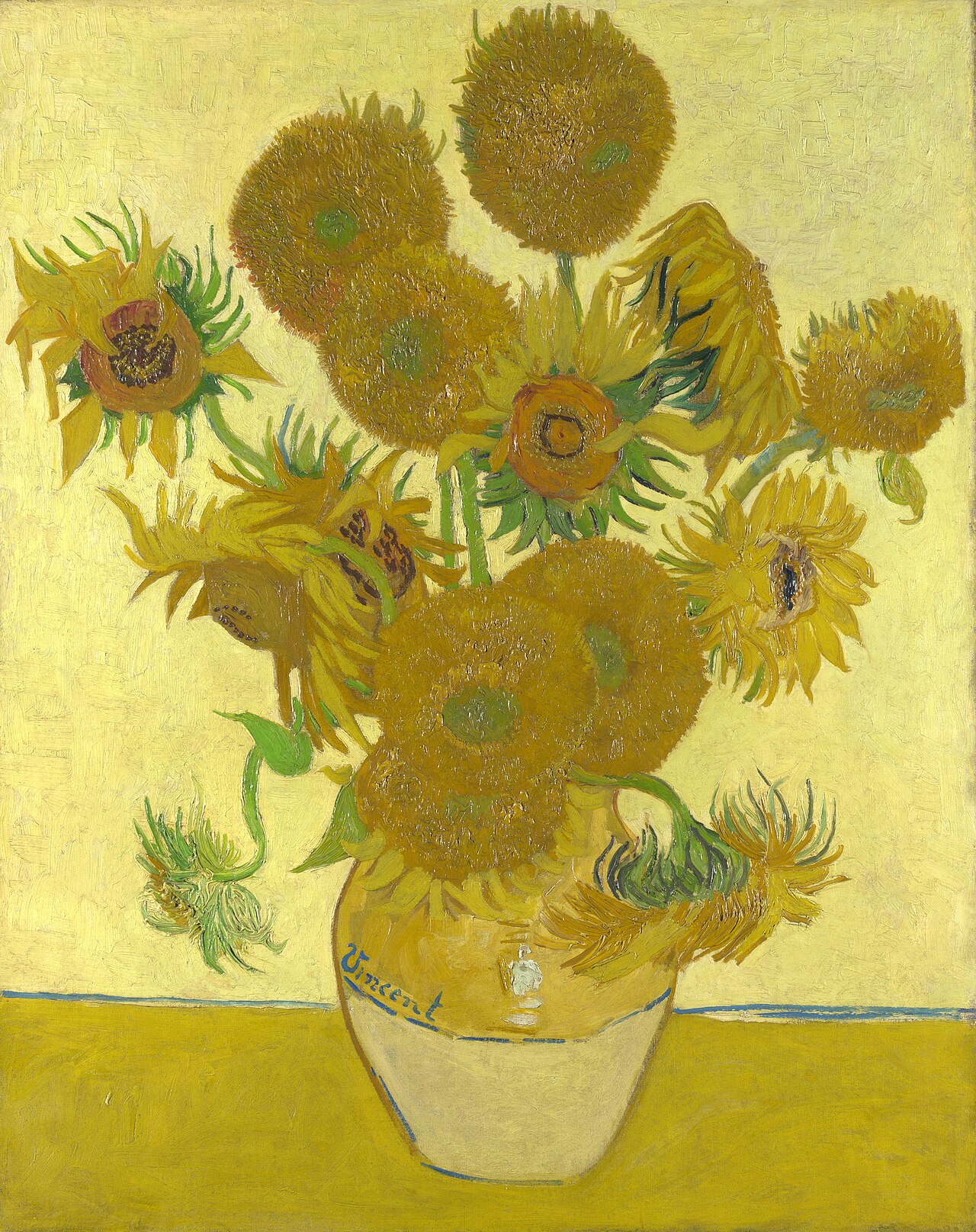
Still Life: Vase with Fifteen Sunflowers, Arles, 1888. Yellow upon yellow, painted to welcome a friend.
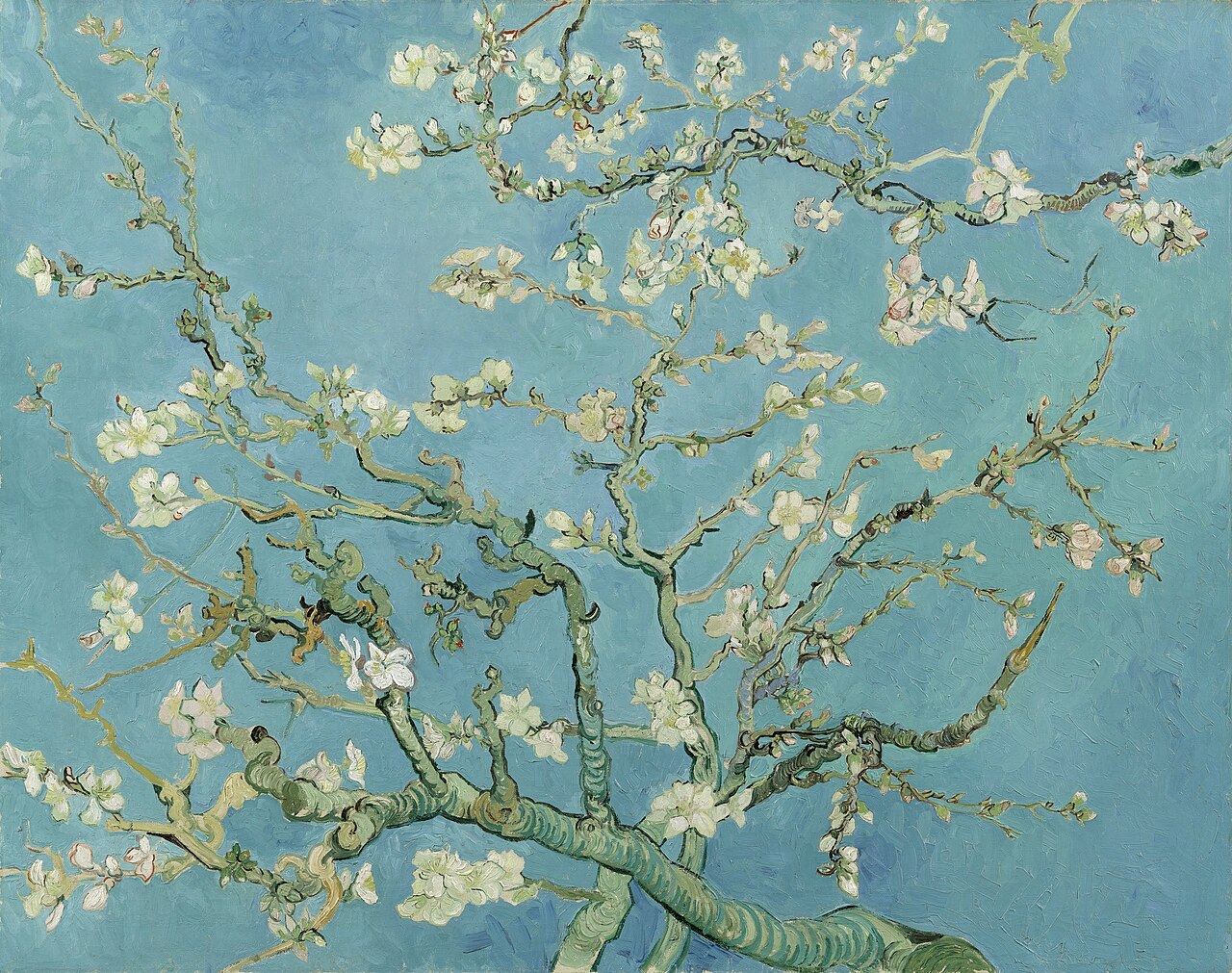
Almond Blossom, 1890, made to celebrate the birth of his nephew and namesake.
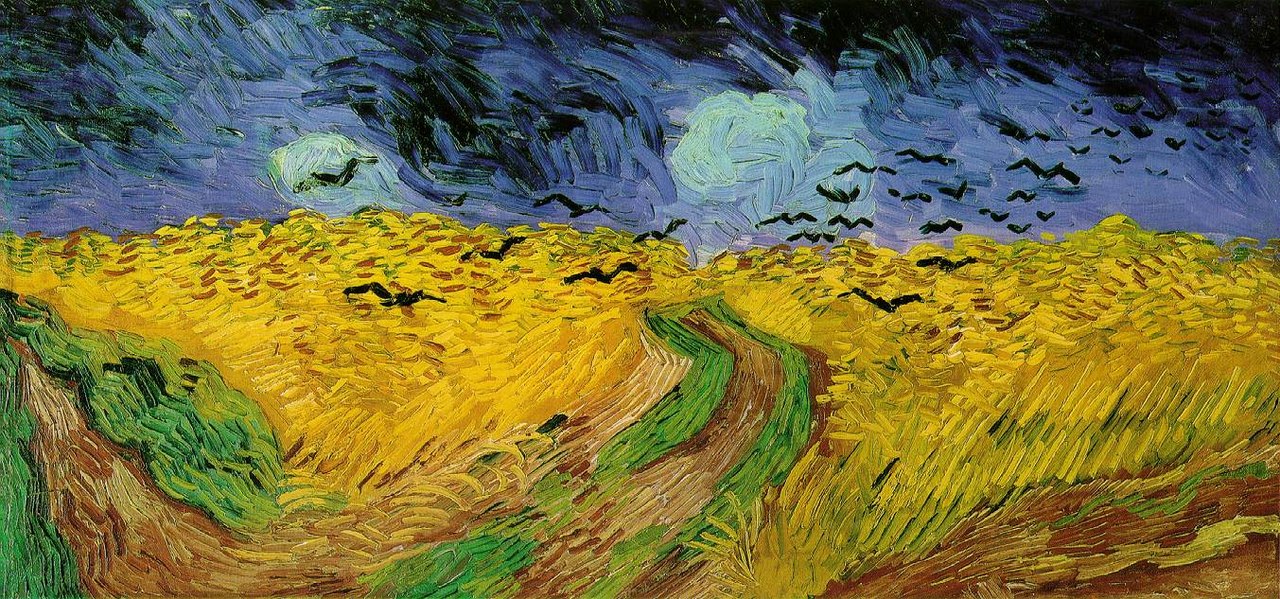
Wheat Field with Crows, Auvers-sur-Oise, 1890, from the last weeks of his life.
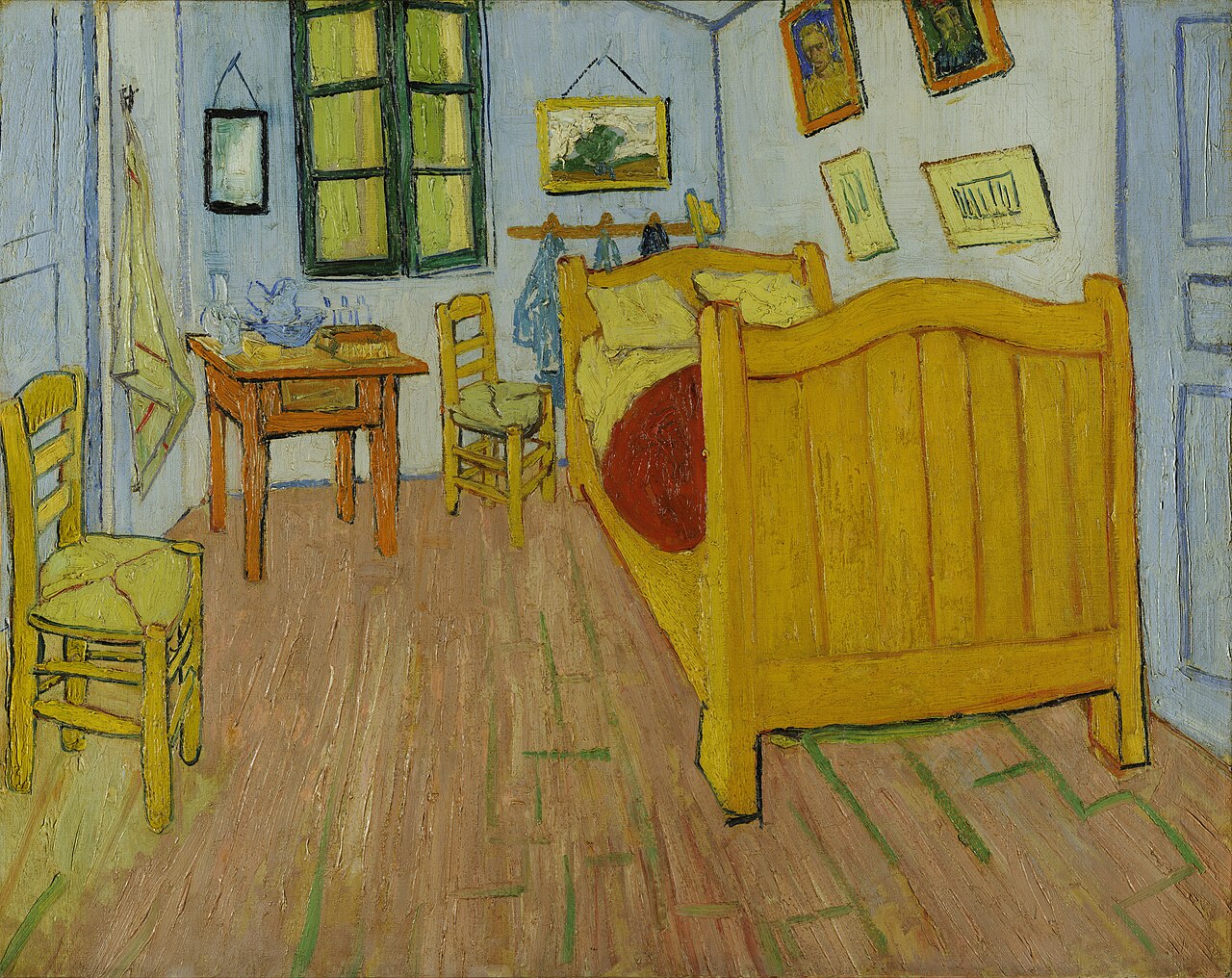
The Bedroom, Arles, 1888. His own small room in the Yellow House, painted for rest.
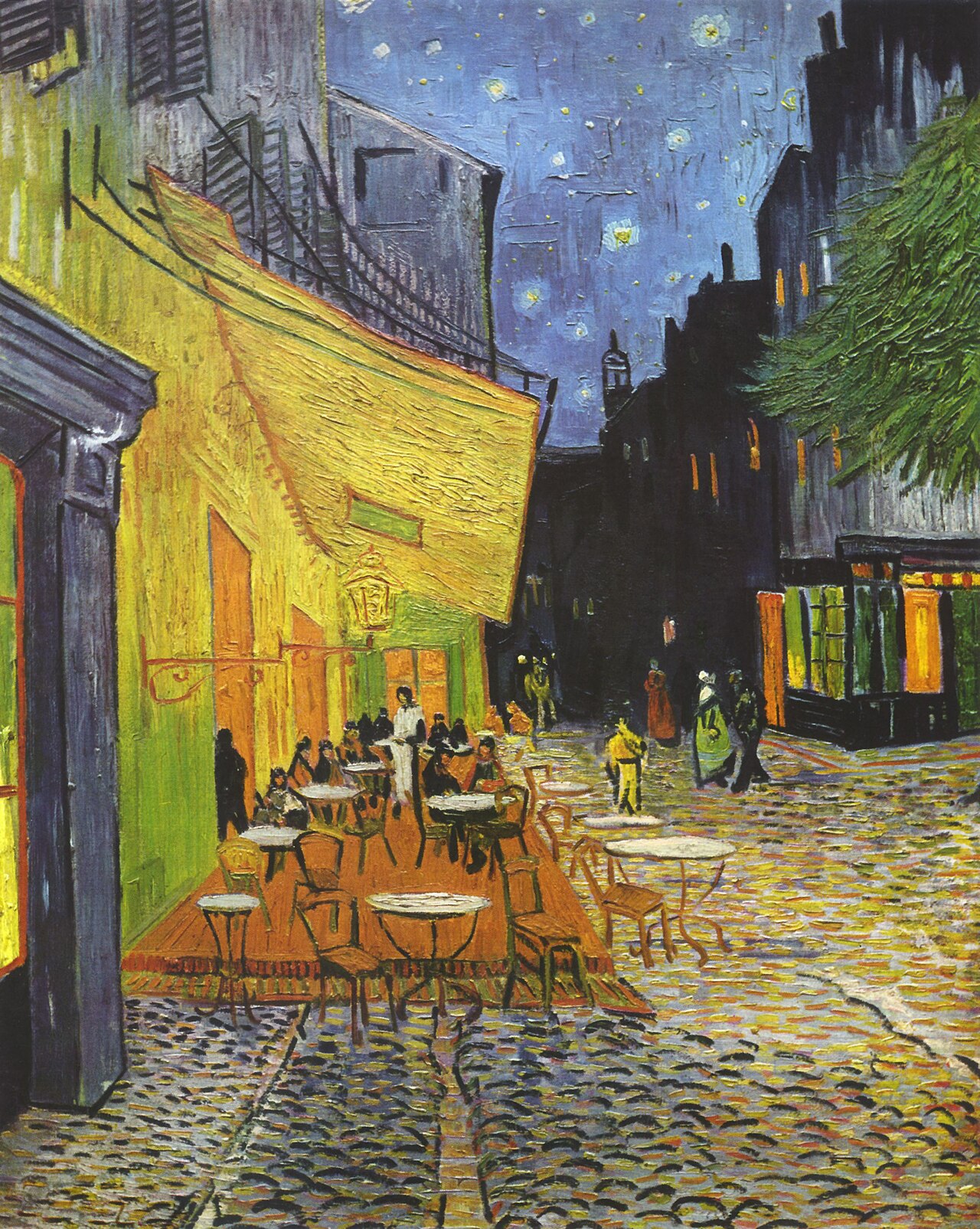
Cafe Terrace at Night, Arles, 1888. Lamplight on the Place du Forum, and the first stars.
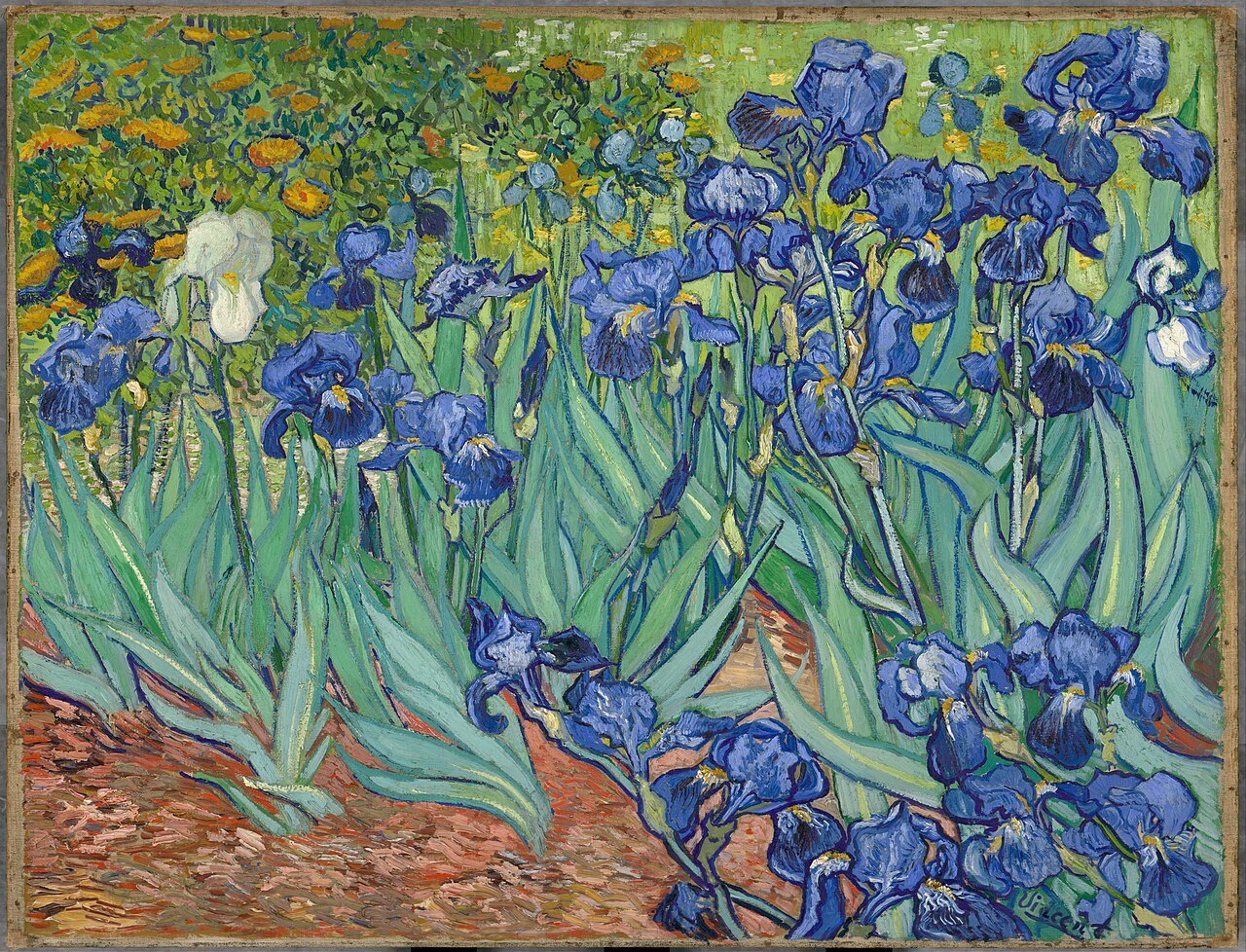
Irises, 1889, painted in the garden of the asylum at Saint-Remy.
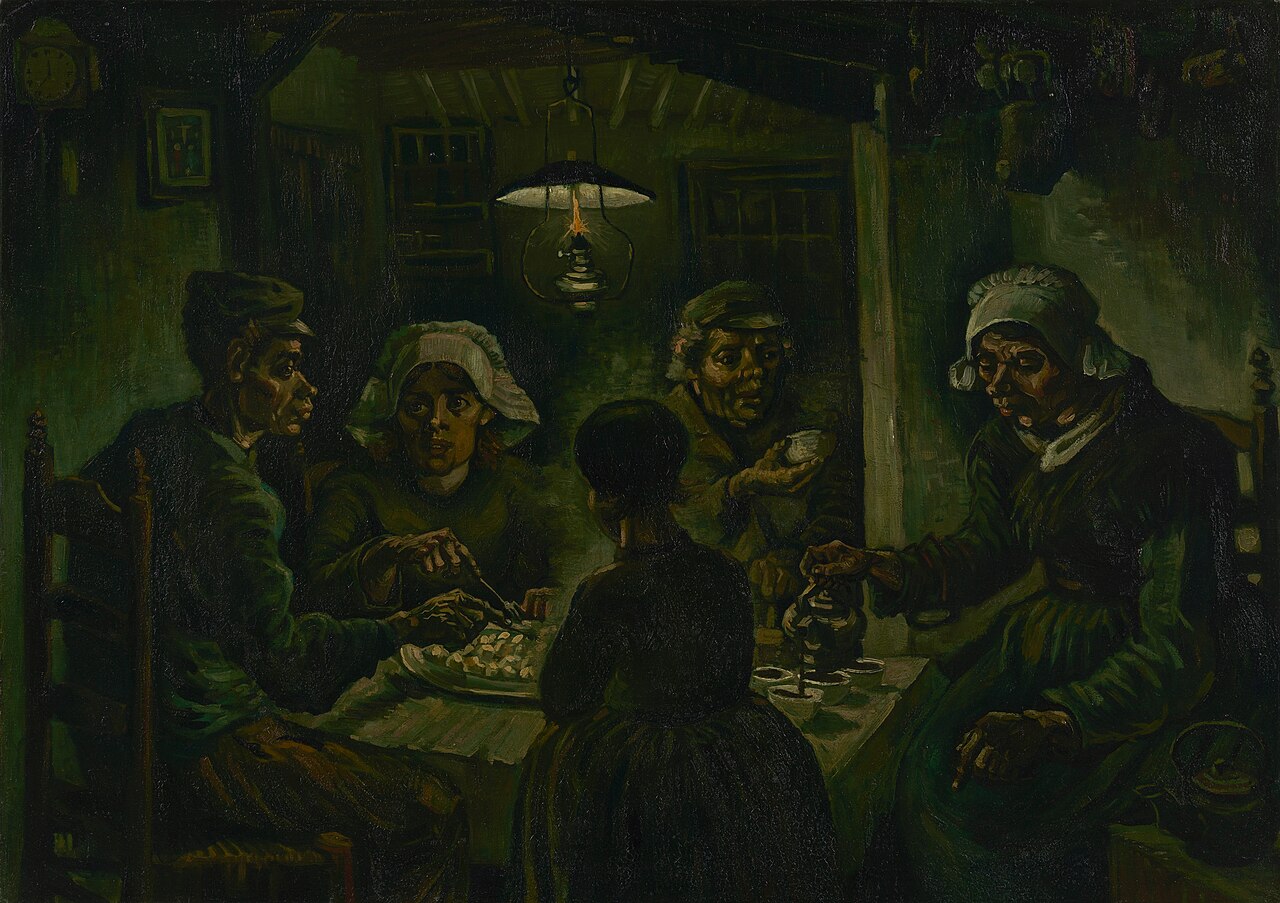
The Potato Eaters, 1885. A peasant family at their meal by lamplight, from his years in the north.
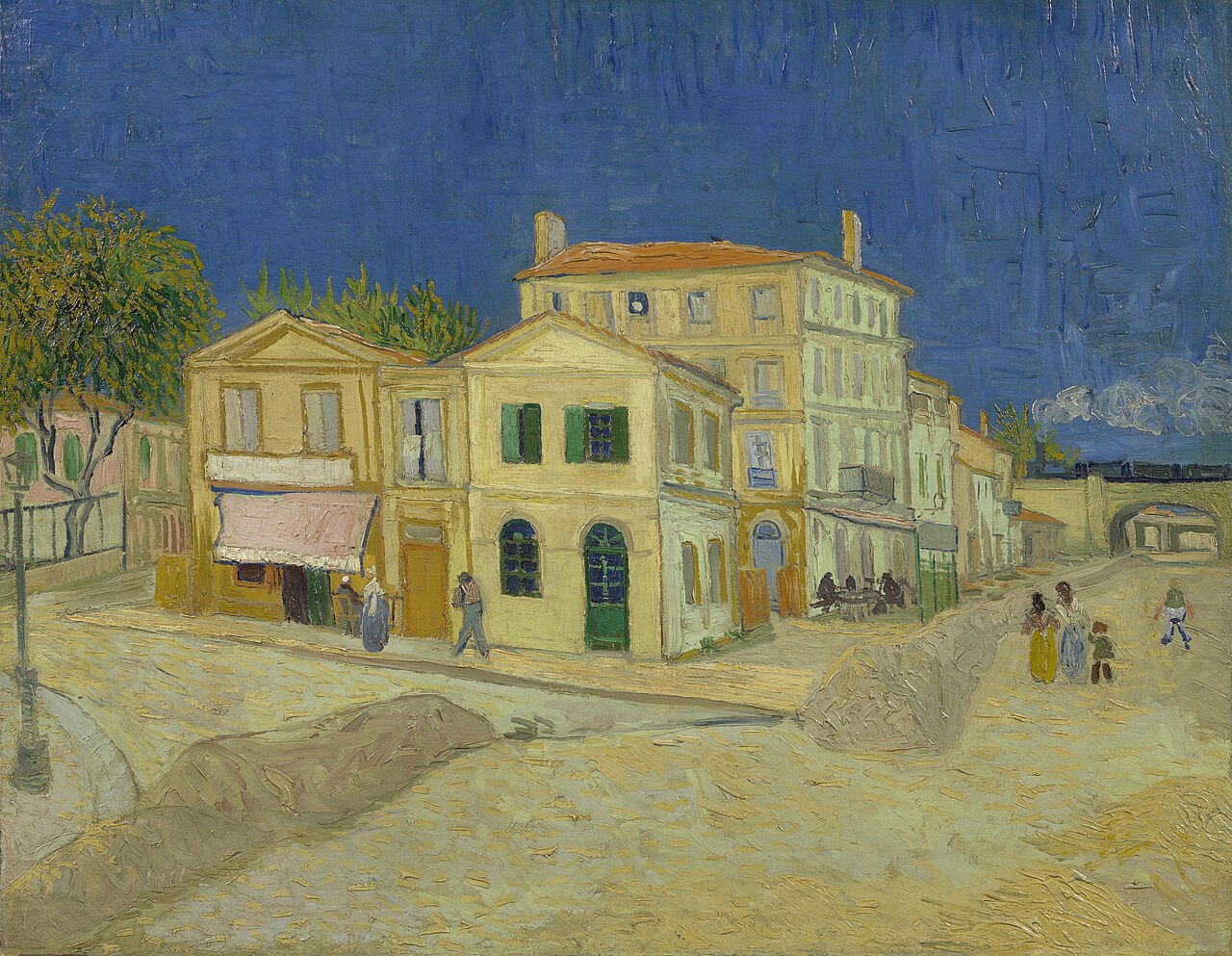
The Yellow House, 1888. The house on the Place Lamartine in Arles where he hoped to keep a studio of friends.
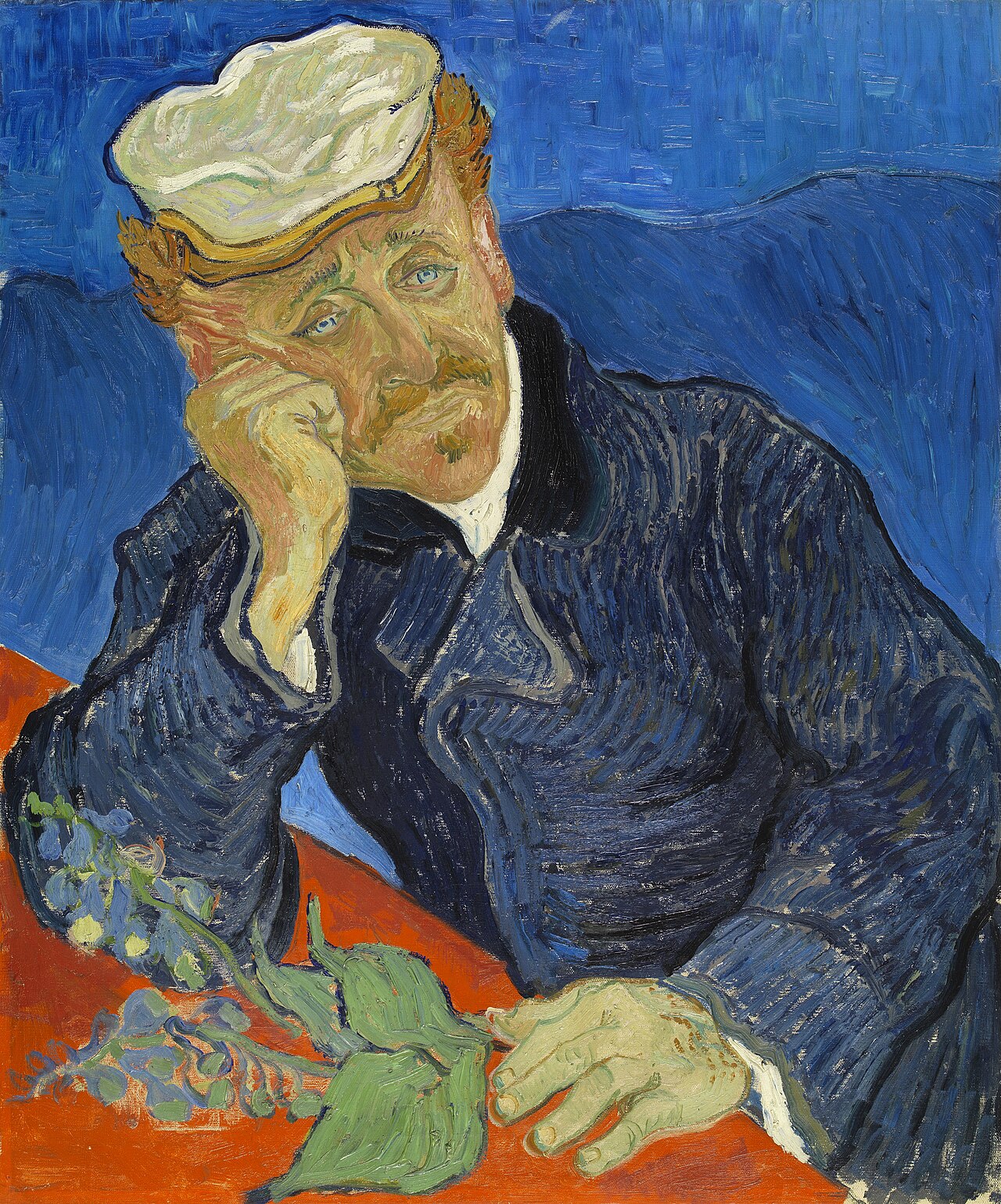
Portrait of Doctor Gachet, June 1890. The physician who watched over him in his last weeks at Auvers.
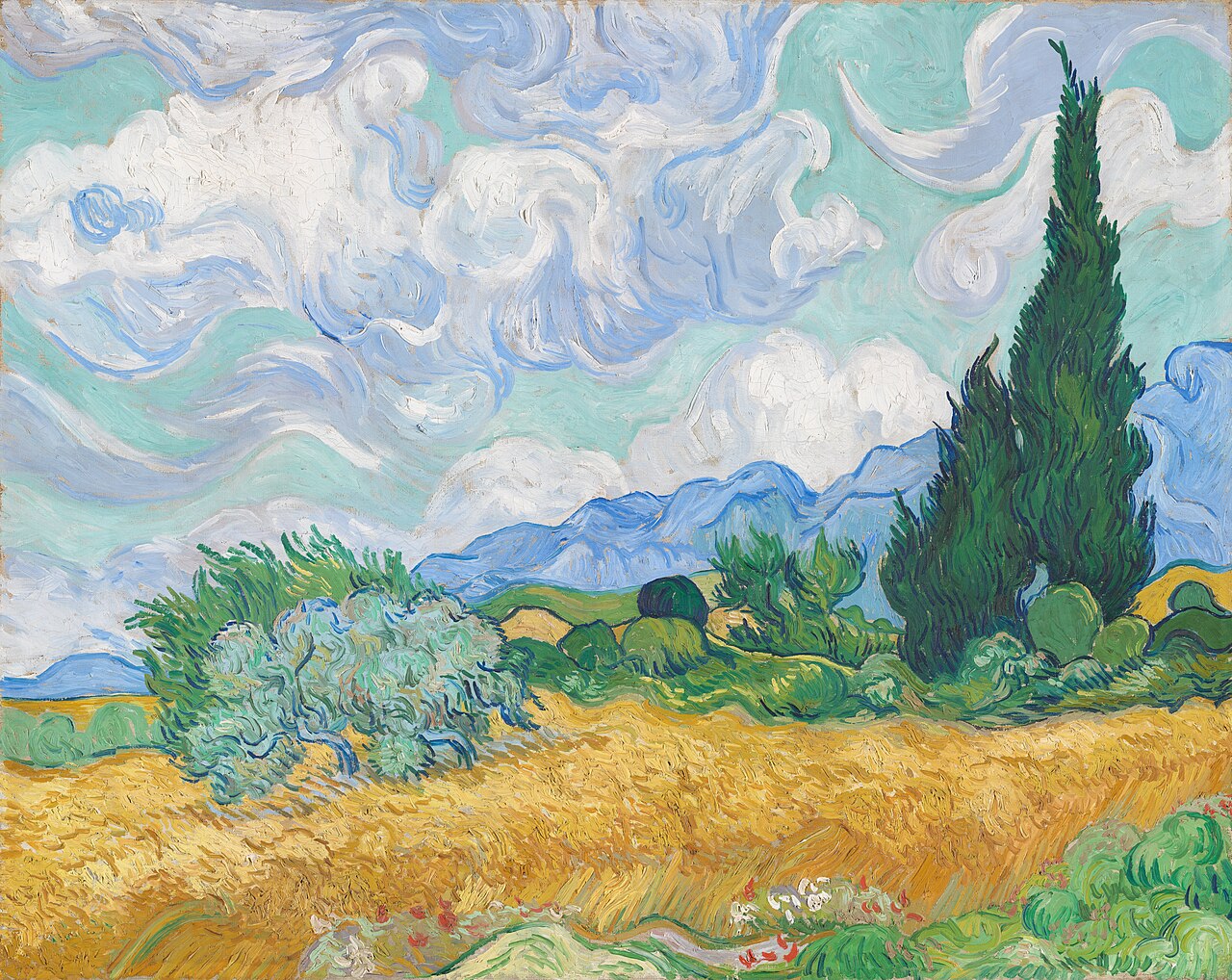
Wheat Field with Cypresses, 1889, near the asylum at Saint-Remy.
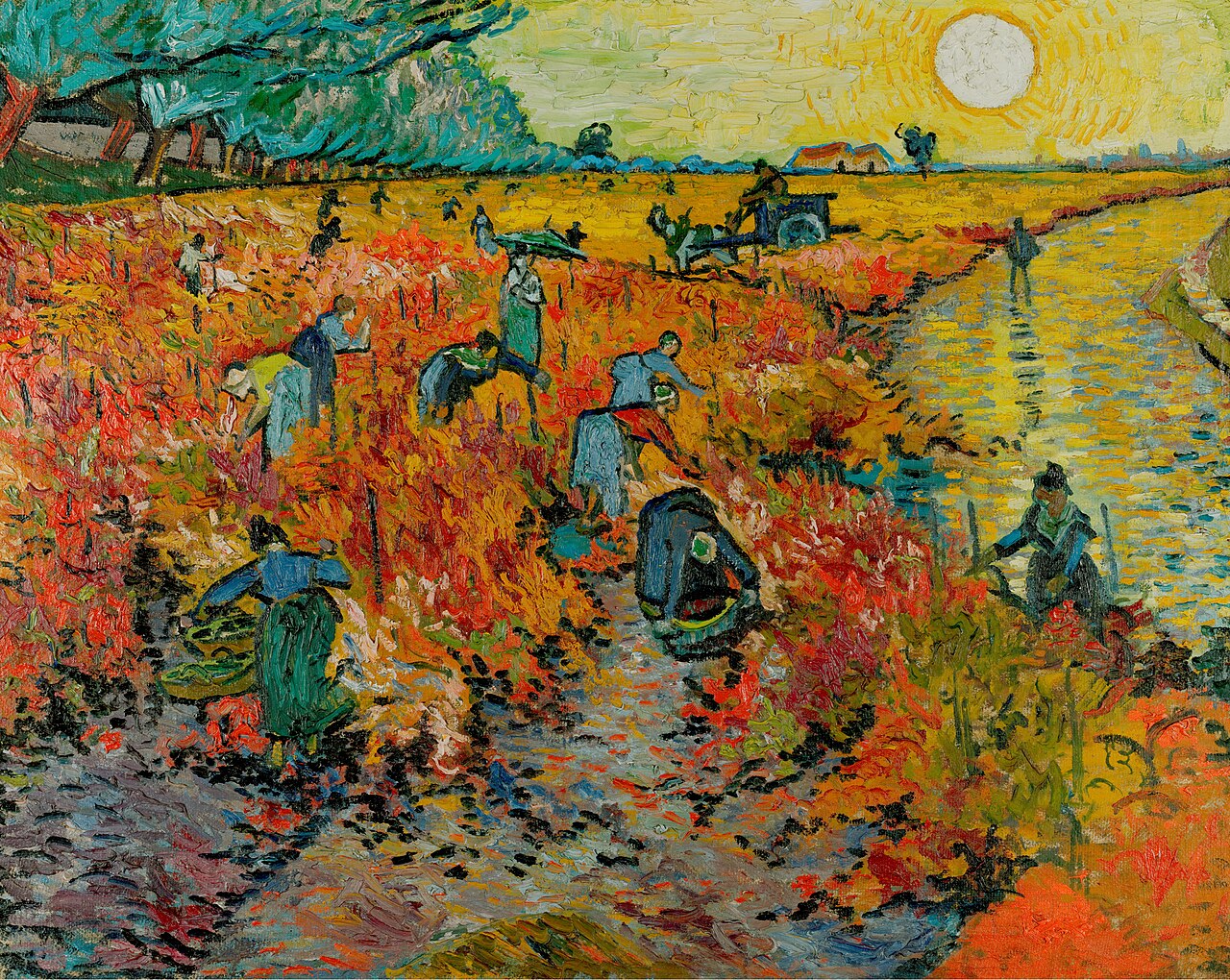
The Red Vineyard, Arles, 1888, said to be the only painting he sold in his lifetime.
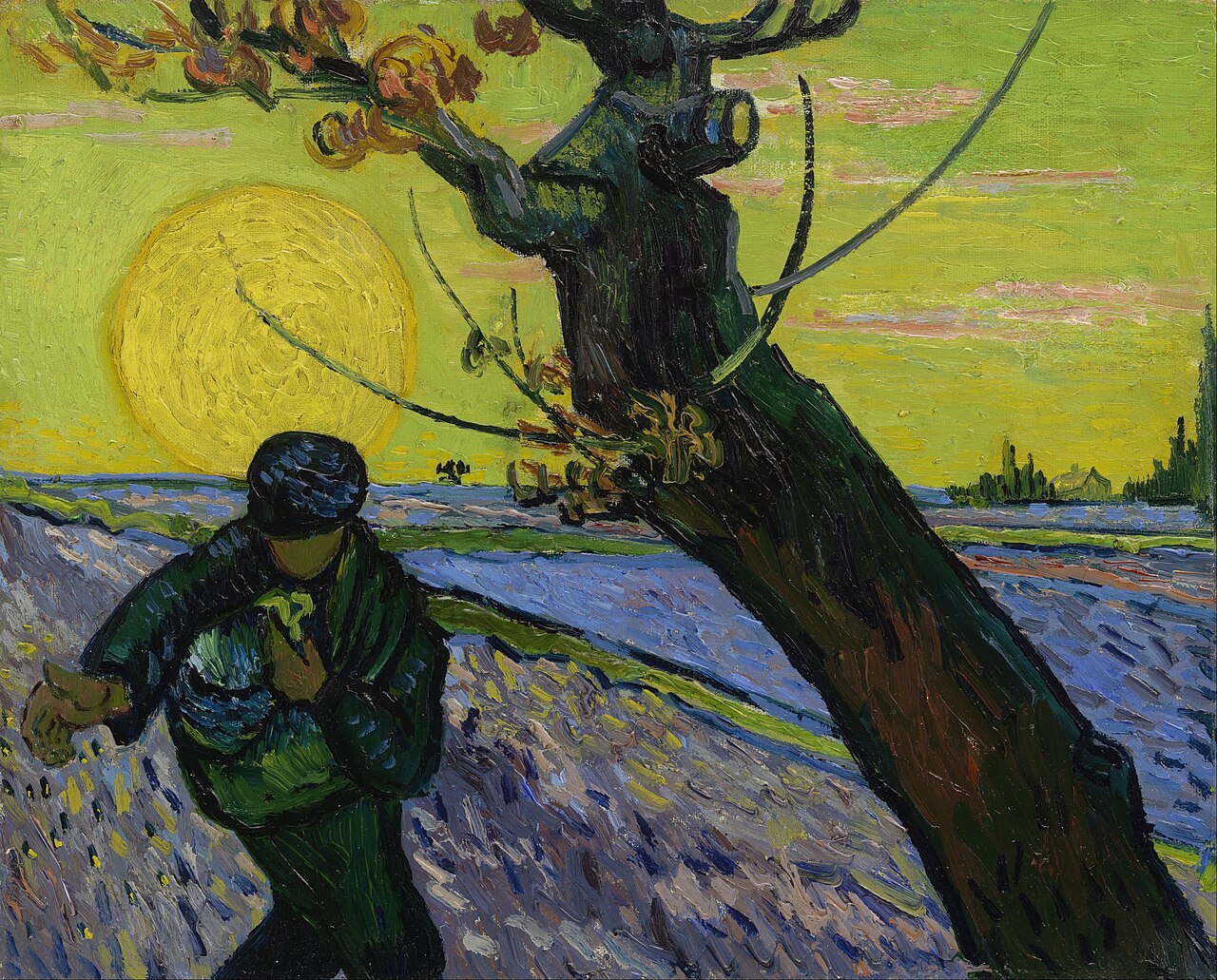
The Sower, Arles, 1888, after Millet. A field of gold under a wide sun.
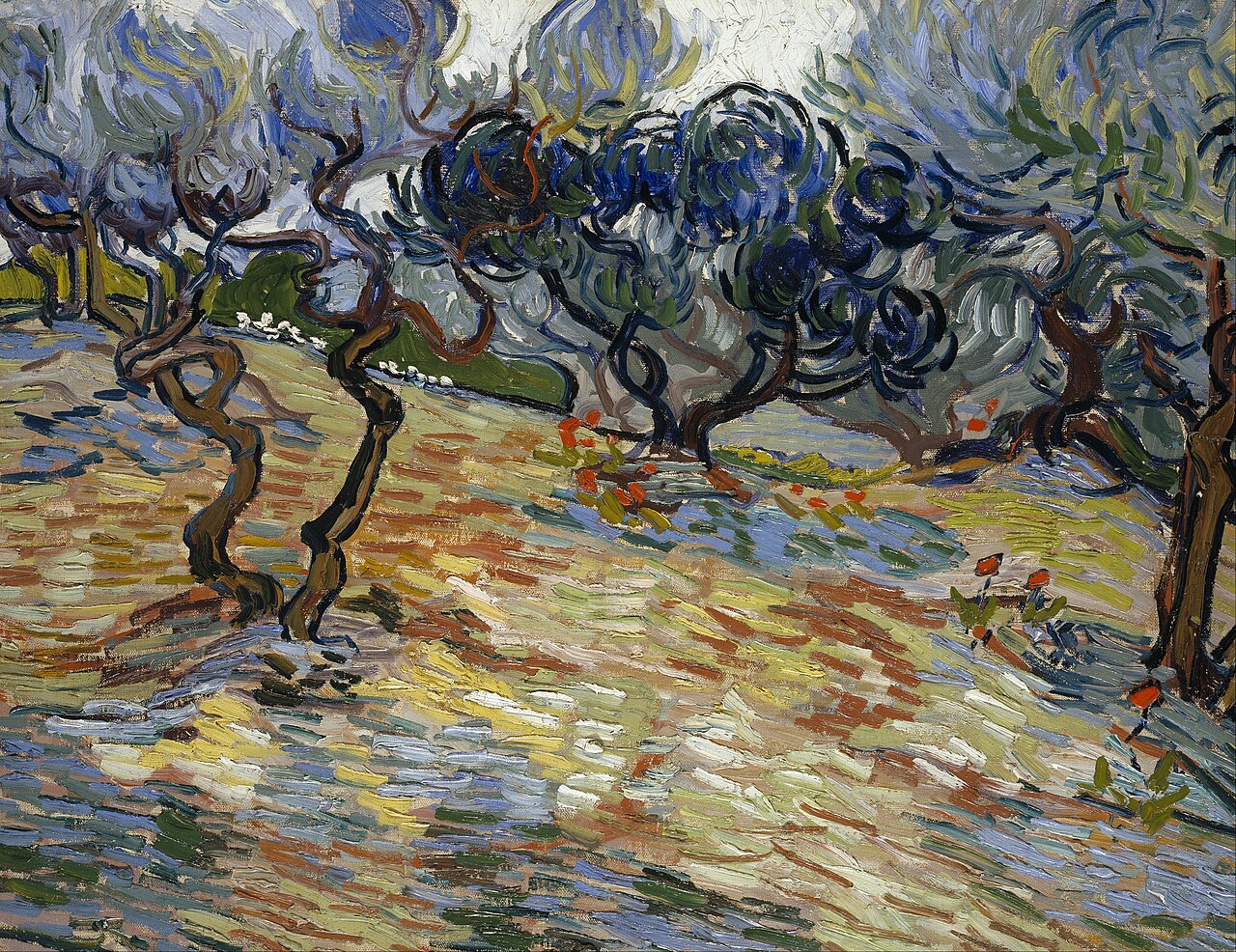
Olive Trees, 1889, Saint-Remy. The groves he painted again and again.
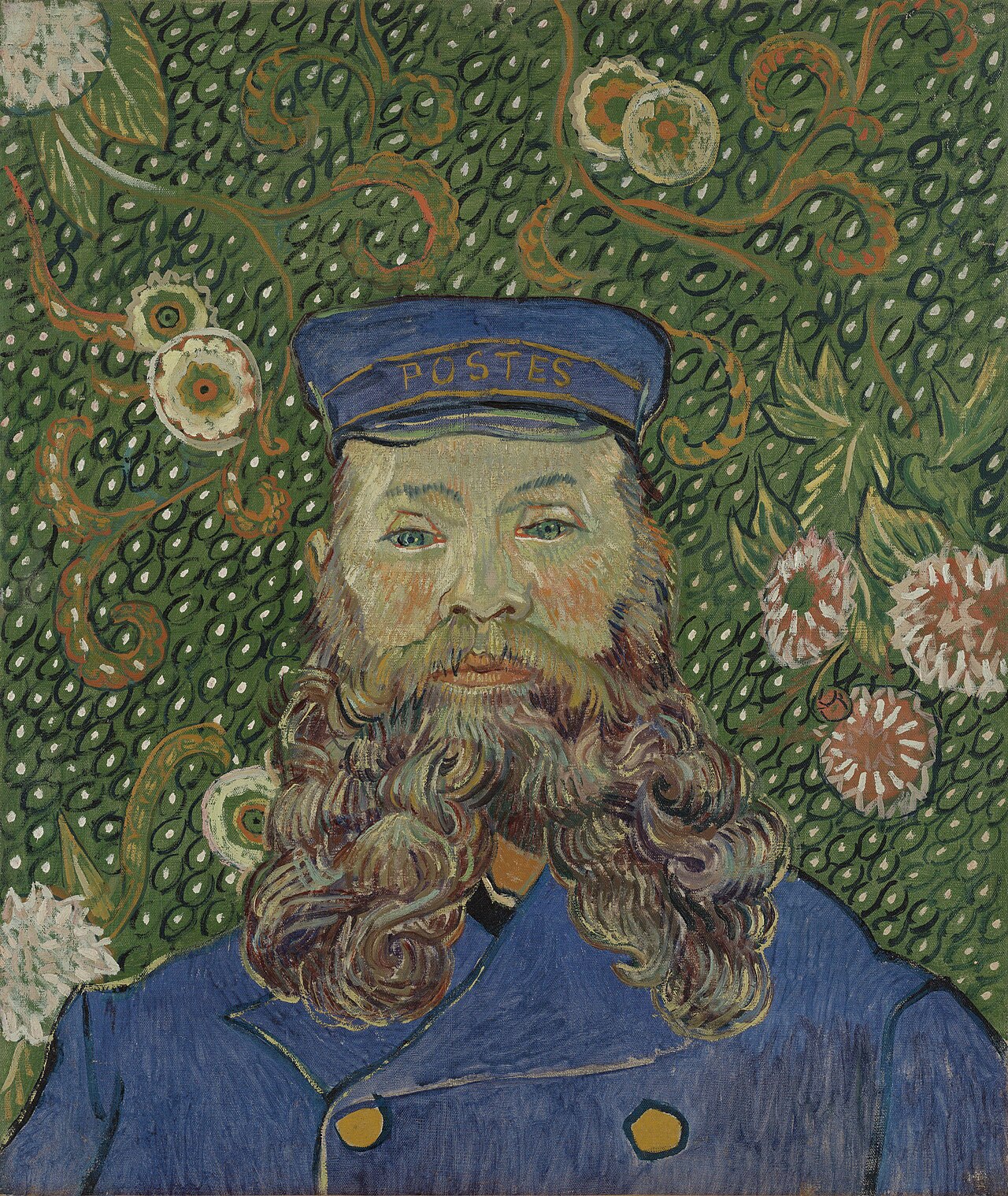
Joseph Roulin, the postman of Arles, who sat for him and stood by him as a friend.
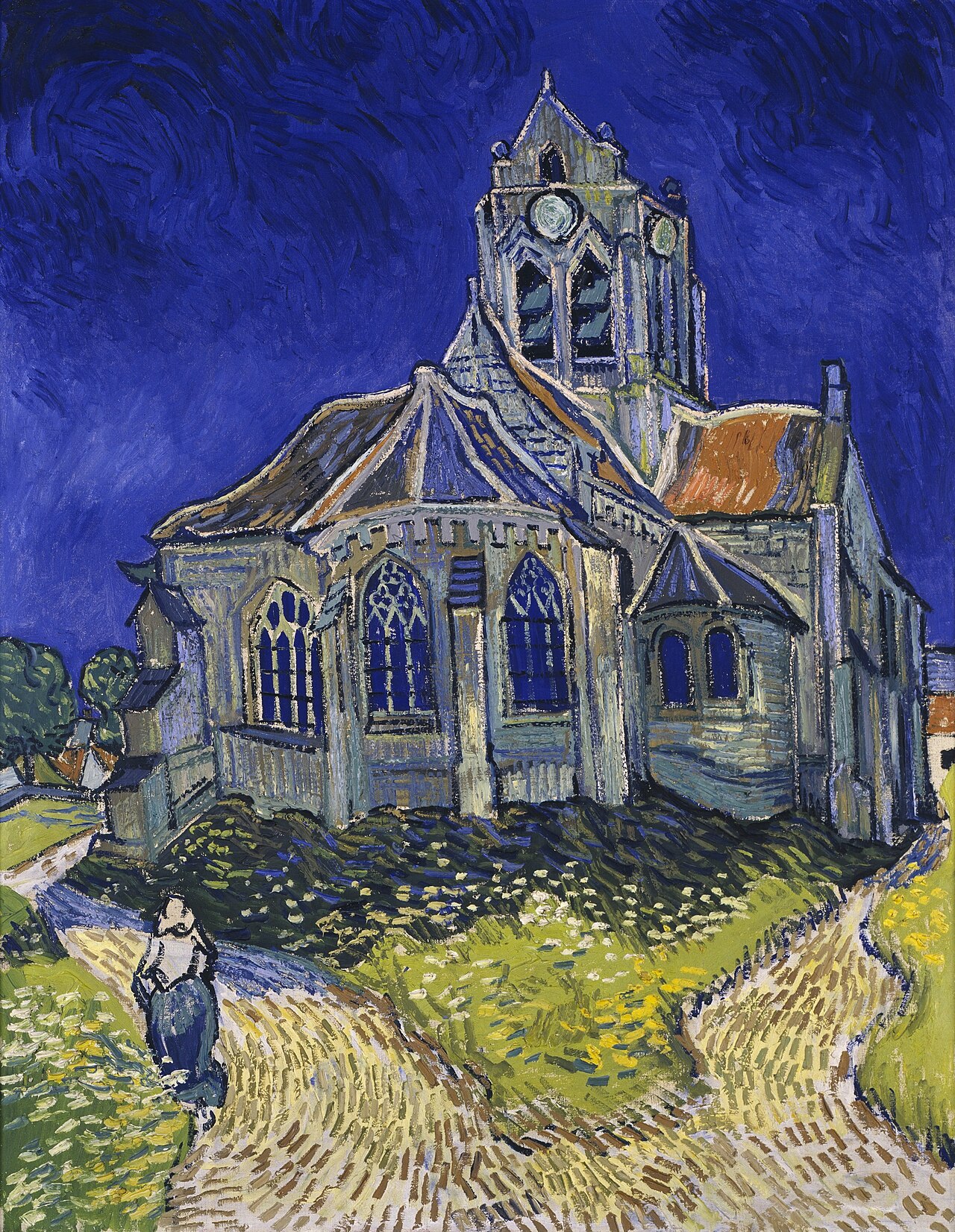
The Church at Auvers-sur-Oise, June 1890, one of the last places he painted.
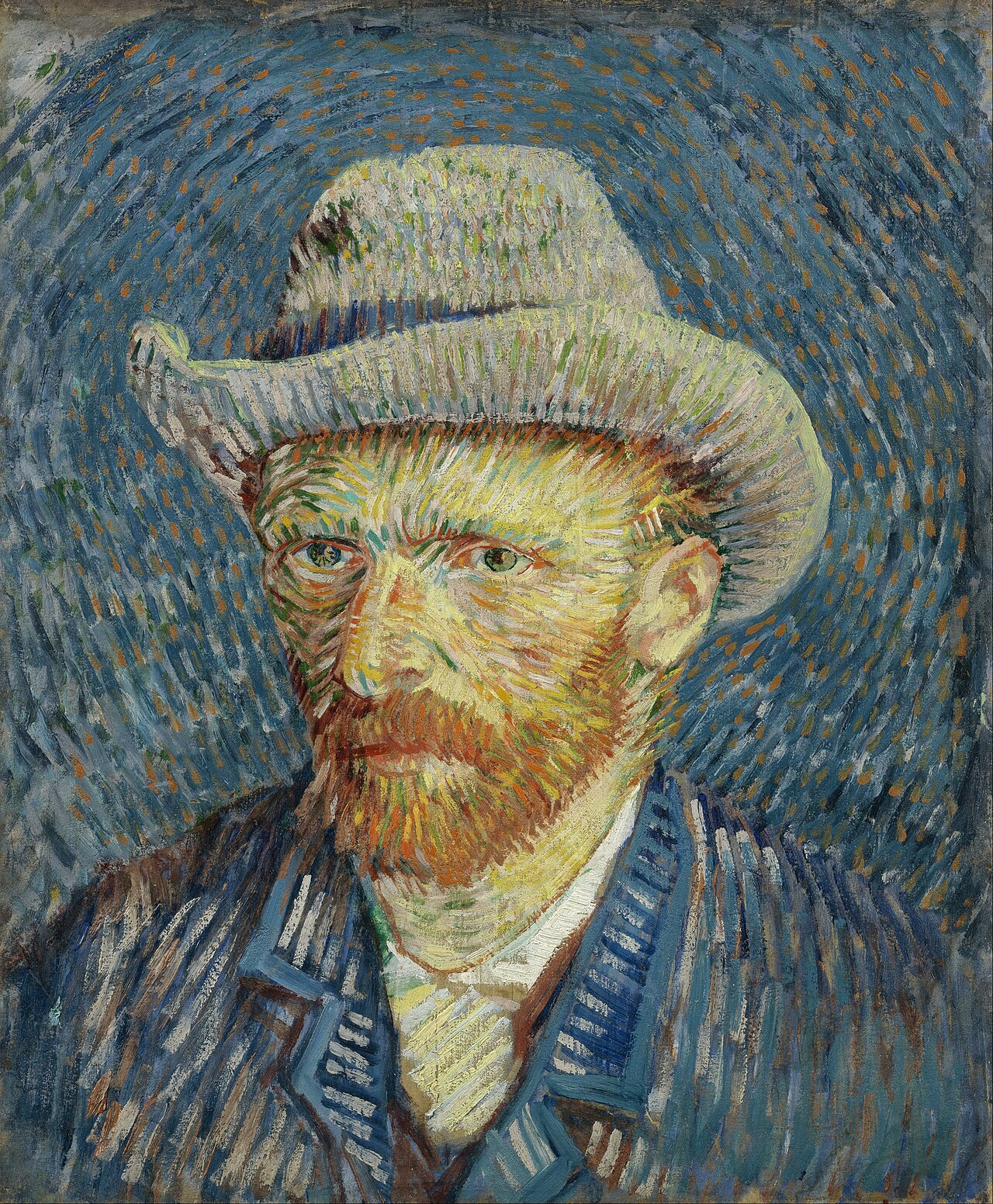
Self-Portrait with a Grey Felt Hat, Paris, 1887, worked in bright complementary colour.
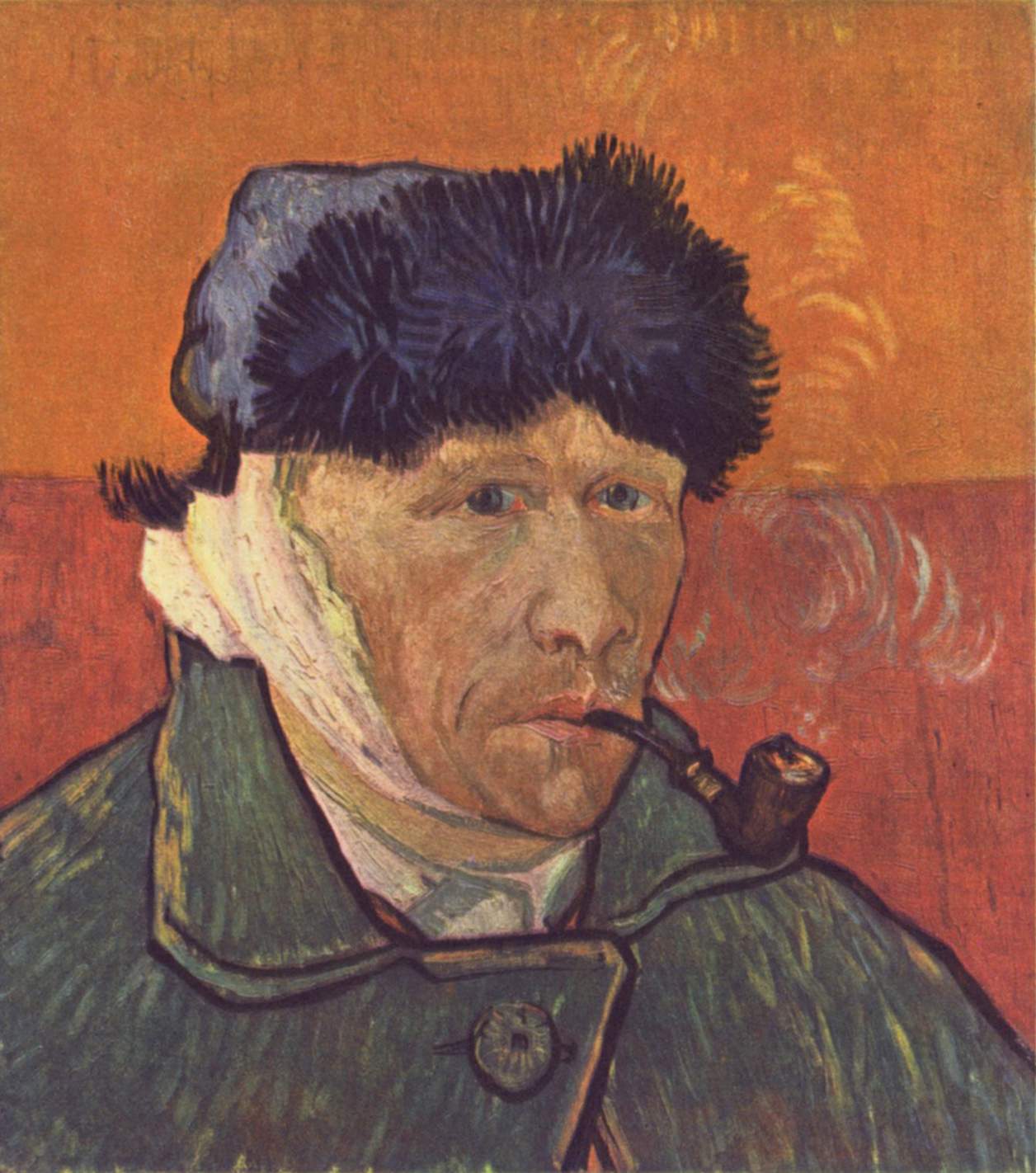
Self-Portrait, Arles, January 1889, painted after the breakdown in which he cut his ear.
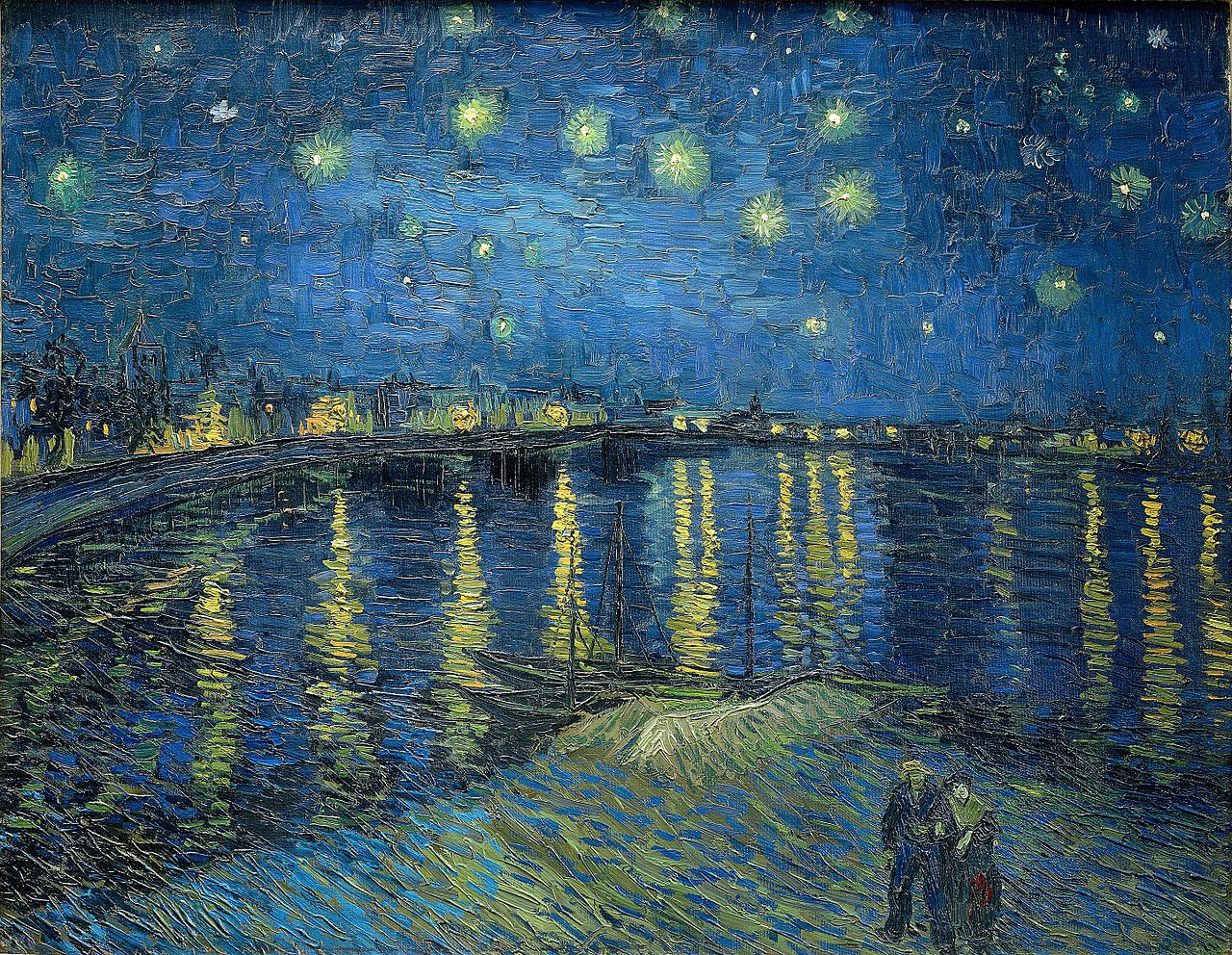
Starry Night over the Rhone, Arles, 1888. The town's lights doubled in the water.
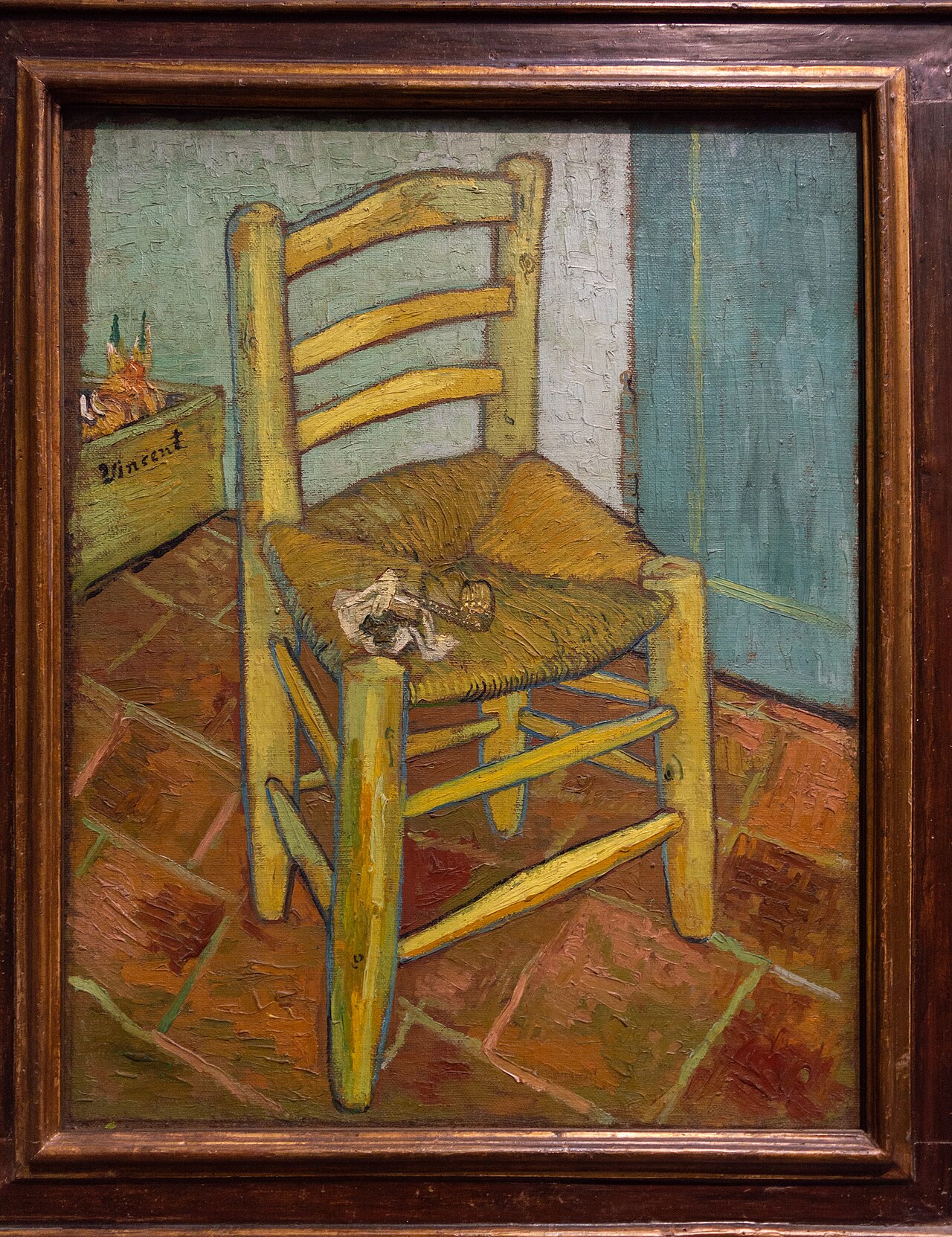
His own plain chair with a pipe and tobacco, Arles, 1888.
"Someone has a great fire in his soul and nobody ever comes to warm themselves at it, and passers-by see nothing but a little smoke at the top of the chimney and then go on their way."
"So I go outside at night to paint the stars."