Alan Turing
1912 · 1954
“He taught the machines to begin.”
Kept by Here After All · open to visitors
Their story
Alan Turing was born in London in 1912 and thought in a register the century took decades to learn. At twenty three he imagined a simple machine of tape and symbols, and in imagining it he drew the boundary lines of everything computers would ever be.
At Bletchley Park his work helped read the war's most guarded letters and shortened the dark years by measures still being counted. Afterward he asked whether machines could think, and gave the question the form it still wears.
His country repaid him poorly and late. The apology came in 2009 and the pardon in 2013, and neither reached him. The mathematics needed no apology; it was already everywhere.
A tribute, kept by Here After All.
Standing here now
You are standing at Alan's plot. Whoever arrives will see you here.
Words spoken here stay only with those standing here. Nothing is recorded.
Remembrances
Where the family and those who loved Alan gather, post, and return. Visitors may leave a tribute in the family's keeping.
"We can only see a short distance ahead, but we can see plenty there that needs to be done." From Computing Machinery and Intelligence, Mind, 1950.
"Machines take me by surprise with great frequency." From Computing Machinery and Intelligence, Mind, 1950.
The Smith's Prize, 1936, for his essay on the central limit theorem of probability.
Appointed Officer of the Order of the British Empire, 1946, for wartime services.
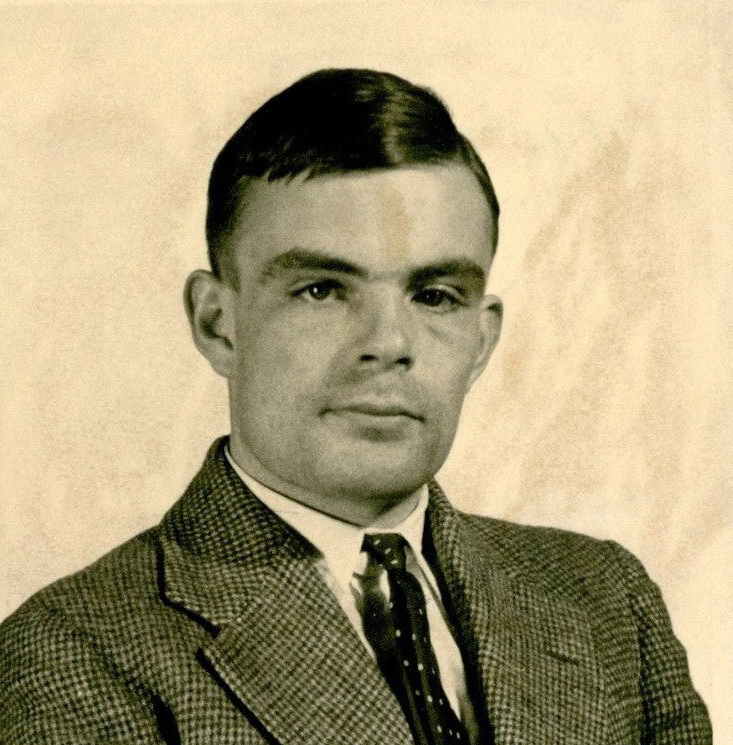
Princeton, 1936. The year On Computable Numbers changed what a machine could mean.
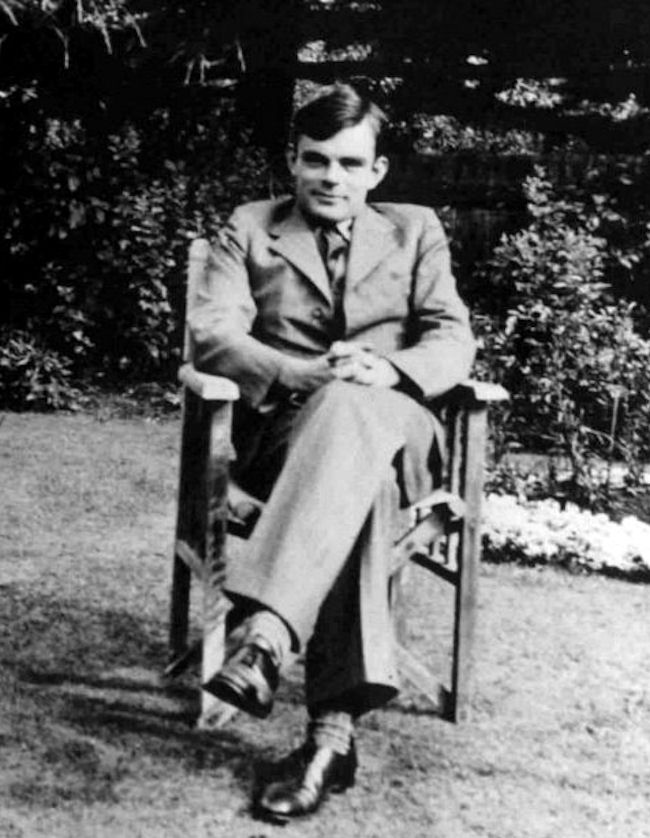
The years when the universal machine was still only his to see.
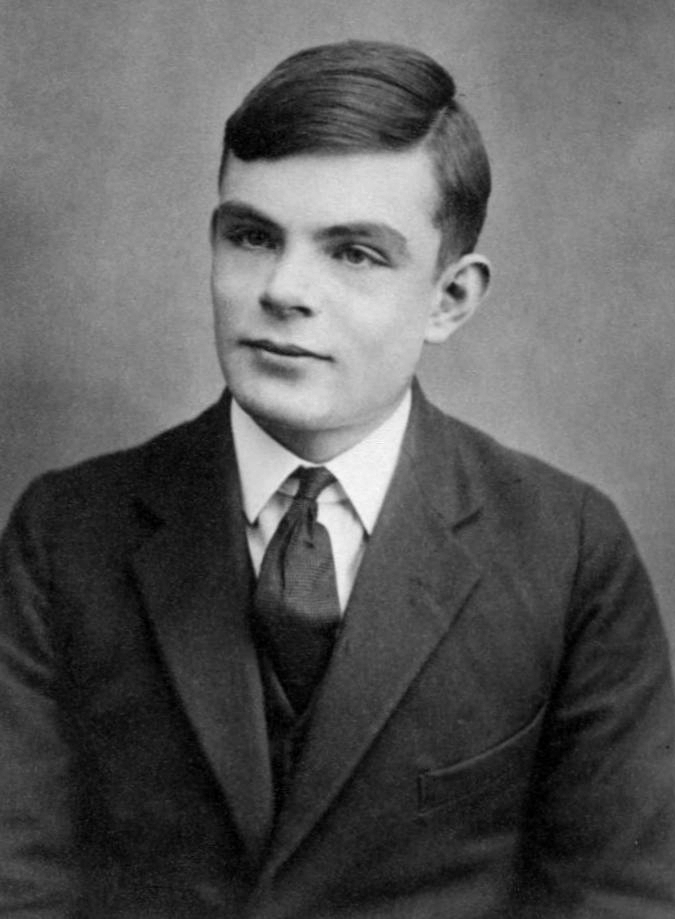
Sixteen years old, already carrying the patience of long proofs.